Chancellor scrambles to ease nerves over looming Budget as he kills Labour Left’s hopes of capital gains tax hike… but targets banks
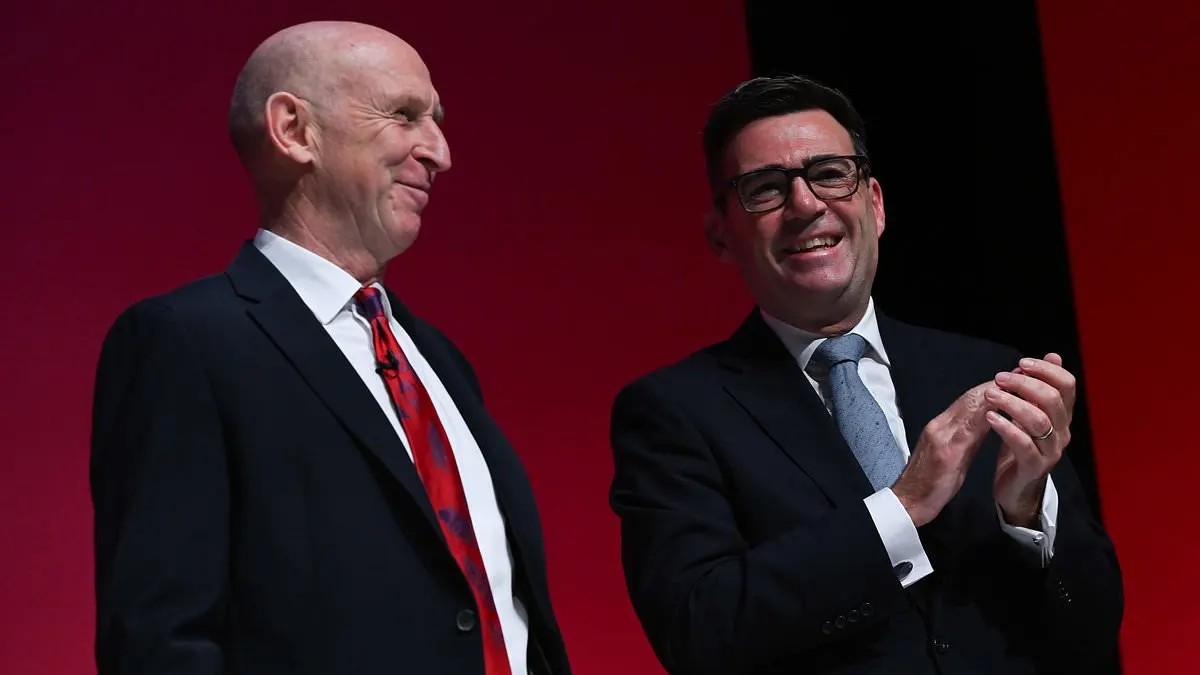
The Chancellor, John Healey, has ruled out raising capital gains tax in the Budget on 28 October, seeking to calm business and investor concerns. The decision blocks a proposal backed by some Labour figures to increase the tax on profits from assets such as shares and second homes, while the Government faces pressure to raise funds.
Treasury estimates suggest a higher rate could reduce revenue if people leave the UK or avoid the tax. Speculation remains that banks could face measures to help fund Andy Burnham’s pledges; meanwhile, frozen tax thresholds and inflation may pull more people into higher tax bands. An Ipsos poll found two thirds expect taxes to rise at the Budget, while 58 per cent think the country is heading in the wrong direction.
- Healey rules out a capital gains tax rise in the 28 October Budget.
- Treasury estimates warn a higher rate could reduce revenue.
- Banks may be targeted as the Chancellor seeks funds.
New here? Start with this
Capital gains tax is charged on profit when someone sells an asset, such as shares or a second home. Some Labour figures have called for it to be raised, while the Treasury has warned that higher rates could prompt people to move or avoid the tax, reducing the amount collected.
The Government is under pressure to raise money, and banks may face separate measures that could help fund pledges by Andy Burnham. Tax thresholds have also been frozen, so inflation can push more people’s income into higher tax bands even if tax rates do not change.
Both sides, in good faith
The strongest fair case each way — we don't pick a winner.
The case for
Raising capital gains tax could make the system fairer by asking more of those who profit from shares and property, and could help fund public services when the Government faces pressure to raise revenue. Supporters may argue that concerns about people leaving or avoiding the tax should shape the design of a reform, rather than rule it out altogether.
The case against
Keeping capital gains tax unchanged may protect investment and give businesses and investors greater certainty ahead of the Budget. Treasury estimates suggest a higher rate could reduce revenue if people move or avoid the tax, while other measures—such as frozen thresholds or taxes on banks—could raise funds without changing the treatment of asset gains.