openEuler brings China’s enterprise Linux ambitions to the desktop
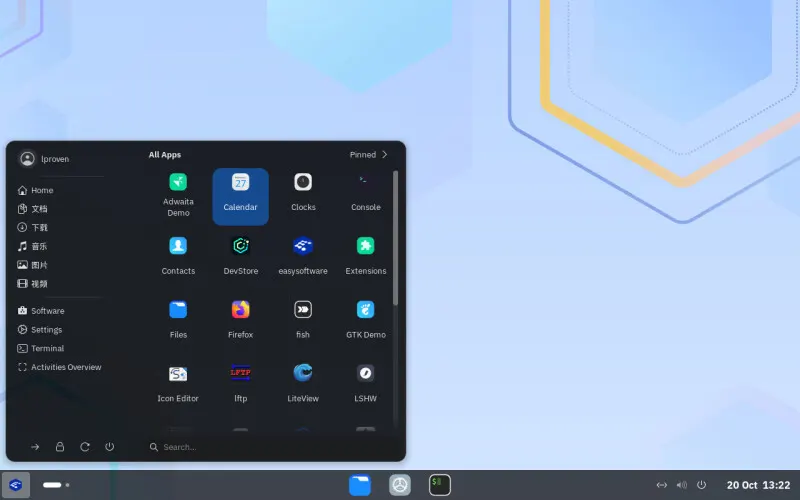
OpenEuler is moving beyond its role as a server platform with a desktop edition, DevStation, as China develops a broader enterprise Linux ecosystem. The project grew from Huawei’s EulerOS and is now run by the OpenAtom Foundation, bringing together major Chinese technology companies.
The distribution offers long-term support and more frequent innovation releases: version 24.03 is the current LTS, while 26.09 is the latest release. It supports x86-64 and Arm, with RISC-V and LoongArch support in the LTS line, and includes tools for AI development, container management and CentOS migration. A brief test of DevStation found a GNOME 49 desktop that can be switched to English, though some interface elements remained in Chinese.
- OpenEuler is expanding into desktop Linux with its DevStation edition.
- Its ecosystem includes tools for AI, containers and CentOS migration.
- DevStation runs GNOME 49, though some interface text remains Chinese.
New here? Start with this
Linux is an operating system used to run computers and servers. Many organisations rely on enterprise versions, which are maintained for long periods and supported by companies or communities. openEuler began as Huawei’s EulerOS, a Linux system for servers, and is now overseen by the OpenAtom Foundation, a Chinese organisation that brings technology companies together around open-source projects.
DevStation is openEuler’s desktop edition, designed for people using Linux on personal computers as well as in business and development work. The project supports several types of computer processors and includes tools for tasks such as building software and managing applications. Its development reflects China’s effort to build a broader home-grown technology ecosystem, while its usefulness to people outside China may depend in part on language support and the software available for it.