Quilombola communities challenge palm oil firms over land in Pará
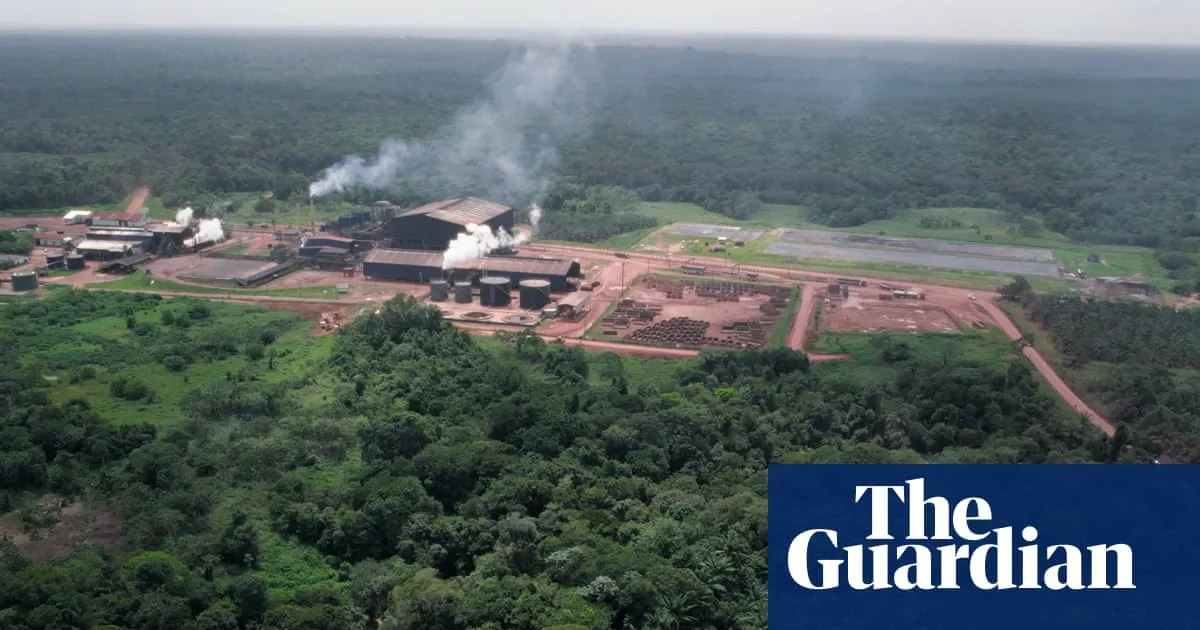
Quilombola communities in Pará, descendants of enslaved Africans, say palm oil companies have taken over traditional lands and restricted their access. After years of displacement, threats and violence, some residents have organised blockades and checkpoints to reclaim territory and restore damaged forest.
The dispute intensified after Brasil BioFuels took over a large regional operation in 2020 and filed more than 1,000 police reports against community members. Residents cite pollution linked to palm oil production, including dead fish in the Acará River; company security staff and an executive were charged with torture over a 2021 protest incident, and the case remains pending. The article says communities have also built homes, schools and community centres, while fearing that a potential Flavio Bolsonaro victory could further hinder formal recognition of their land rights.
In short
- Quilombolas are resisting palm oil firms’ expansion in Pará.
- Residents have used blockades and checkpoints to reclaim land.
- Land recognition and forest protection remain uncertain.
Steelman: both sides, in good faith
The strongest fair case each way — we don't pick a winner.
The case for
Residents’ case is that their communities have longstanding ties to the land and a right to use and protect it, while company operations have restricted access, damaged the forest and polluted local waters. They argue that blockades are a response to displacement and failed remedies, and that homes, schools and community centres help sustain community life while land claims are pursued.
The case against
Companies and their supporters could argue that disputed land claims should be resolved through formal legal processes, and that blockades risk disrupting lawful operations and creating safety concerns for workers and residents. They may also contest responsibility for reported pollution or alleged abuse, noting that the torture case is pending and that allegations should be tested through due process.
Explained simply
Quilombola communities are groups in Brazil descended from enslaved Africans who formed settlements and maintain ties to their ancestral lands. In Pará, in the north of the country, some communities say palm oil companies have occupied land they use and limited access to it.
Brasil BioFuels took over a major local palm oil operation in 2020. The dispute involves competing claims over land, the effects of production on nearby rivers and forests, and the communities’ efforts to secure formal recognition of their rights.
The conflict has included police complaints, protests and allegations of violence. It matters because land recognition can affect whether communities can live on and manage their traditional territories, while palm oil production is an important economic activity in the region.
Read the full article at the source →
Originally published by The Guardian as “Blockades, checkpoints and court action: fending off Brazil’s biofuel giants in the Amazon”.