Google’s unlawful tree clearances in Finland spark public anger
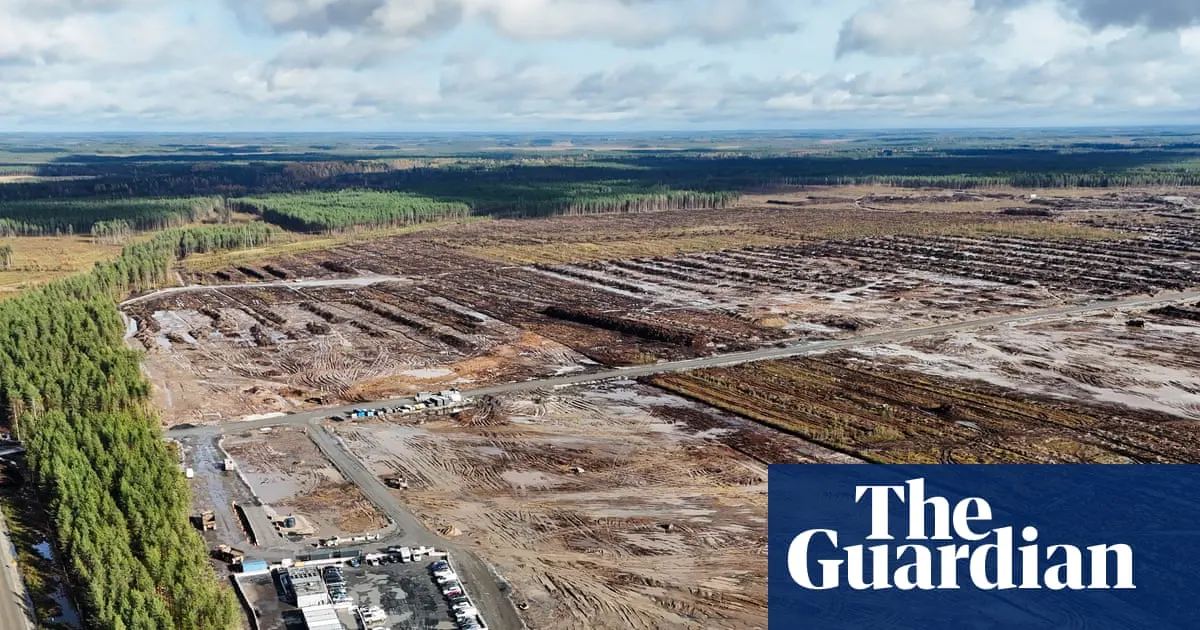
Google cleared an estimated 250,000 trees near Muhos in northern Finland to prepare a datacentre site without completing required environmental impact assessments. Authorities have ordered work to stop at the Muhos site and another in Otanmäki, prompting public concern about environmental damage and the rapid expansion of datacentres.
The Finnish Association for Nature Conservation estimates a further 150,000 trees were felled at Otanmäki, about 100km away; the wood from both sites cannot be sold because the clearances were illegal. The two sites form part of Google’s €13bn AI infrastructure project, the largest of its kind in Finland. More than 93,000 people have signed a petition calling for tighter regulation and compensation for affected communities, and datacentre policy may become an issue in April’s election.
In short
- Google felled an estimated 400,000 trees across two Finnish sites.
- Authorities ordered work to stop after environmental assessments were missed.
- More than 93,000 people signed a petition for tighter rules.
Steelman: both sides, in good faith
The strongest fair case each way — we don't pick a winner.
The case for
The clearances took place without required environmental assessments, so stopping work and tightening oversight can be defended as necessary to enforce the law and protect forests, wildlife and local communities. The scale of the felling and the unusable timber also strengthen the case for accountability and for assessing environmental costs before datacentre projects proceed.
The case against
Finland can also weigh the project’s potential economic and technological benefits, including investment and AI infrastructure, against the environmental costs, rather than treating datacentre expansion as inherently undesirable. A thoughtful case for resuming development would favour clear, proportionate rules and remediation for any harm, while avoiding regulation so restrictive that it deters beneficial investment.
Explained simply
Datacentres are large buildings filled with computer equipment that store data and run online services. They use substantial amounts of electricity and land, and companies are building more of them to support services including artificial intelligence.
Google is a US technology company expanding its datacentre network in Finland. The Muhos and Otanmäki sites are part of a €13bn project; Finnish authorities oversee planning and environmental rules, while the Finnish Association for Nature Conservation monitors the effects on nature.
The dispute raises questions about how environmental checks are applied when datacentres are built and who should bear the costs if rules are broken. It has also drawn attention to how local communities and national policy may be affected as Finland attracts major technology projects.
Art Business Companies Culture Technology
Read the full article at the source →
Originally published by The Guardian as “‘Pure arrogance’: anger in Finland as Google illegally fells 250,000 trees for datacentre”.