Irish consent advert withdrawn after criticism over its portrayal of grandparents
Developing story first seen 1 hour ago
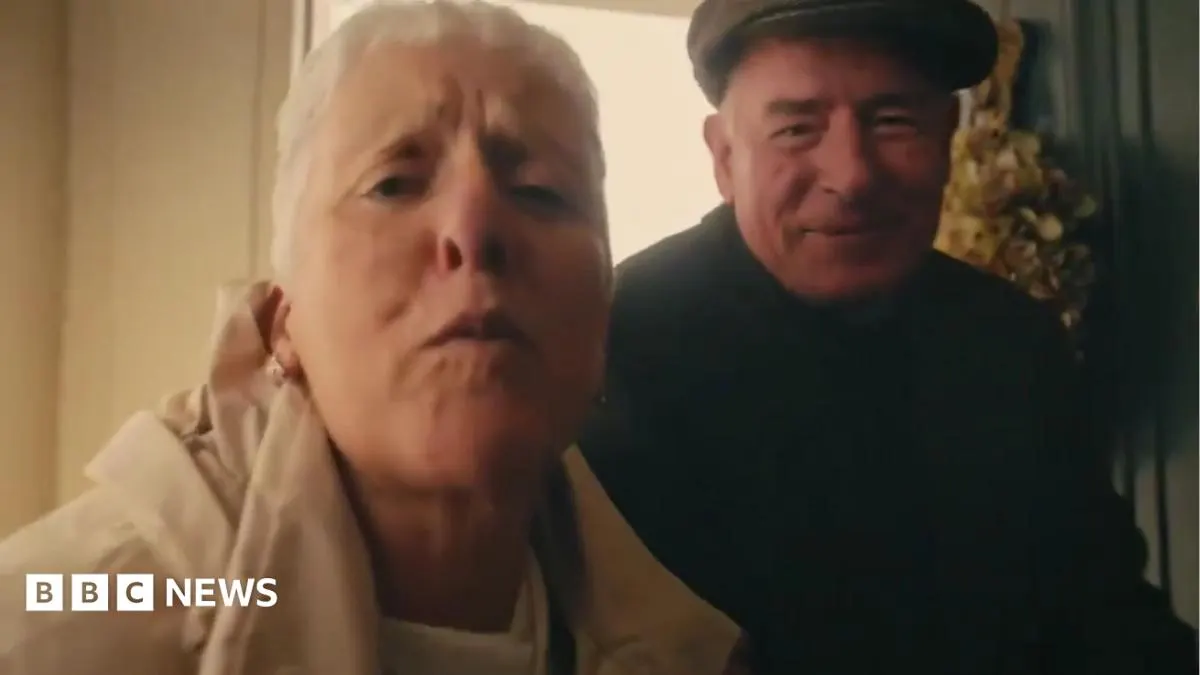
The Dublin Rape Crisis Centre has removed a social media advert after criticism of its portrayal of grandparents, following intervention by officials at the Justice Department. The dispute has renewed debate in Ireland about how to teach children consent and boundaries, and the role families play in that education.
The video showed grandparents hugging their grandson and approaching a granddaughter who appeared uncomfortable, before stating that not everyone wants a hug. It was one of three low-cost videos in the We-Consent campaign, made with volunteers. Justice Minister Jim O’Callaghan called the advert demeaning and counterproductive, while its defenders said it highlighted that children have different boundaries; the centre said it would reflect on whether the videos had the intended effect.
- Sources
- 2
- Outlets
- 2
- Left · Centre · Right
- 0 · 1 · 1
In short
- Consent advert removed after criticism and official intervention.
- The video was part of a three-ad campaign.
- Supporters said it highlighted children’s differing boundaries.
How this story developed
- 54 minutes ago The centre withdrew the advert after the row, saying it would consider whether the volunteer-made video had achieved its intended effect, while the dispute fuelled wider debate about how children learn boundaries and the role of families.
- 1 hour ago The Dublin Rape Crisis Centre faced criticism over a We-Consent video showing grandparents hugging one child and approaching another who seemed uneasy, prompting Justice Minister Jim O’Callaghan to call it demeaning and counterproductive.
Full account
An Irish social media advert promoting children’s understanding of consent has been withdrawn after drawing sharp criticism over its depiction of grandparents. The clip, one of three made for the We-Consent campaign run by the Dublin Rape Crisis Centre (DRCC), shows grandparents arriving at a family home. Their grandson eagerly hugs them, while his sister appears uneasy as they turn towards her. A message then says that not everyone wants a hug, even from people who love them, and describes respecting boundaries as important.
The DRCC said the videos were intended to encourage children to recognise and respect boundaries from an early age. It told RTÉ that it would remove them from its social media accounts while considering whether they were having the positive effect intended. The campaign’s withdrawal followed intervention by officials from the Department of Justice, which helps fund the work. The department said the videos had been produced by the DRCC at low cost with volunteers and were not a government advertising campaign.
Justice Minister Jim O’Callaghan said the grandparents video did not represent the Government’s views. He called it inappropriate and demeaning to grandparents, and argued that it did not advance understanding of consent in sexual relationships and could be counterproductive. Fine Gael Senator Gareth Scahill also condemned the advert, describing it as a poor use of resources and potentially harmful to older people. Former Justice Minister Helen McEntee, who established the statutory agency Cuan through which the campaign was funded, said consent initiatives should focus on the continuing problem of domestic and sexual violence.
The reaction has raised broader questions about how children learn to respect personal boundaries and how such messages should be presented. Supporters of the advert argued that it illustrated how children can have different comfort levels with physical affection; critics said it risked casting ordinary family affection in a negative light. Some of the criticism also focused on public spending, while the DRCC stressed the campaign’s educational purpose. The disagreement reflects a divide over whether the light-hearted scenario made the idea of consent accessible or distracted from the serious issues the campaign was intended to address.
Where outlets differ
From the full account, which is AI-written from the sources:
Source 1 gives more space to the debate over changing social norms and includes a response defending the advert as a lesson in children’s differing boundaries. Source 2 gives a more detailed description of the scene and foregrounds political criticism, funding through Cuan and comments from former Justice Minister Helen McEntee.
The accounts describe the funding relationship differently: Source 1 says the Justice Department was among the campaign’s funding sources and quotes it saying the videos were not a government advertising campaign; Source 2 more directly describes the advert as government-funded through Cuan. Both report that department officials engaged with the DRCC before the videos were removed.
Source 1 says the DRCC planned to remove the videos while it reflected on their impact. Source 2 says the two other campaign videos were also removed, and characterises the minister as having ordered the takedown.
Centre outlets 1
Only here: withdrawn, criticism, portrayal
Right-leaning outlets 1
Only here: grandchildren
Every side used: irish, consent, advert, grandparents
Headline columns compared word for word; nothing in them is AI-written.
Steelman: both sides, in good faith
The strongest fair case each way — we don't pick a winner.
The case for
The advert’s defenders can argue that consent and personal boundaries apply within families as well as elsewhere, and that children should be able to decline affection without being made to feel rude. Showing different reactions to a hug may help parents and grandparents recognise that children have individual preferences and teach them to ask first.
The case against
Critics can argue that the grandparents’ portrayal risks casting ordinary family affection as threatening or unwelcome, which may distract from the campaign’s message and alienate the families it hopes to reach. They may also consider the video’s contrast between the grandson and the uncomfortable granddaughter reductive, making it less effective at teaching children and adults about boundaries.
Explained simply
Consent is about agreeing freely to physical contact and being able to say no. Teaching children about boundaries can include helping them recognise that they may not want a hug, even from someone they know well.
In Ireland, the Dublin Rape Crisis Centre works on preventing sexual violence and supporting people affected by it. The Justice Department and families are also part of wider discussions about how children learn about consent, and how to explain it in ways that are clear and respectful.
Coverage · 2 sources
Bias meters
From 2 rated sources.
Read the full article at the source →
Originally published by BBC World as “‘Demeaning’ and ‘absurd’: The backlash against a hugging grandparents consent ad”.