The “perverted” 1969 movie both John Wayne and Henry Fonda couldn’t stand
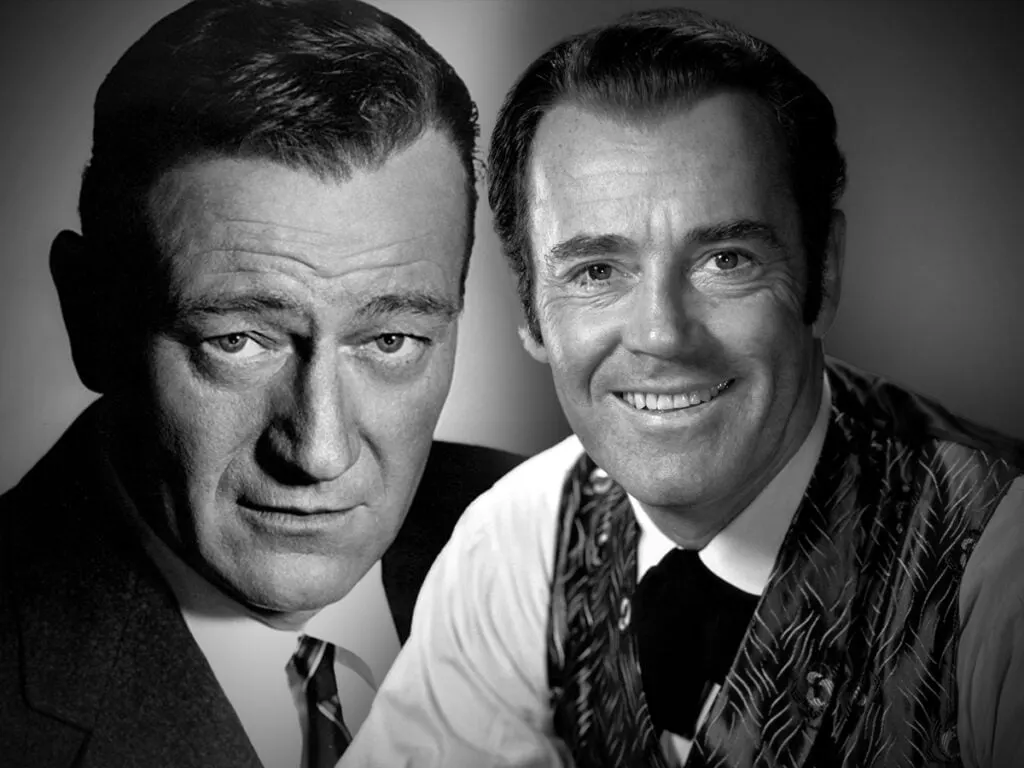
*Easy Rider* was one of the counterculture films that John Wayne and Henry Fonda both disliked, despite their long friendship and sharply different politics. Their reaction reflected a generational divide as a new wave of filmmakers began reshaping American cinema.
Wayne called films such as *Easy Rider* “perverted” and objected to its portrayal of drug use. Fonda, whose son Peter produced, co-wrote and starred in the film, described an early cut as “inaccessible” and doubted many people would understand it; the film went on to become a landmark of the era.
In short
- Wayne condemned *Easy Rider* as “perverted”.
- Henry Fonda initially thought audiences would not understand it.
- The film helped define a new era in cinema.
Steelman: both sides, in good faith
The strongest fair case each way — we don't pick a winner.
The case for
Wayne and Fonda’s reservations can be seen as a defence of cinema that communicates clearly and treats its subject matter with care. Wayne objected to the film’s portrayal of drug use, while Fonda found an early cut inaccessible; both concerns reflect a reasonable worry that provocation and experimentation may alienate audiences or glamorise behaviour without examining its consequences.
The case against
The film’s unconventional style and frank portrayal of counterculture can be defended as an attempt to show a changing America on its own terms. What seemed inaccessible in an early cut may also have been an unfamiliar form, and the film’s later standing suggests that its experimentation spoke powerfully to audiences seeking stories beyond established Hollywood conventions.