Hands off! Dithering Swinney’s North Sea cash grab is rejected
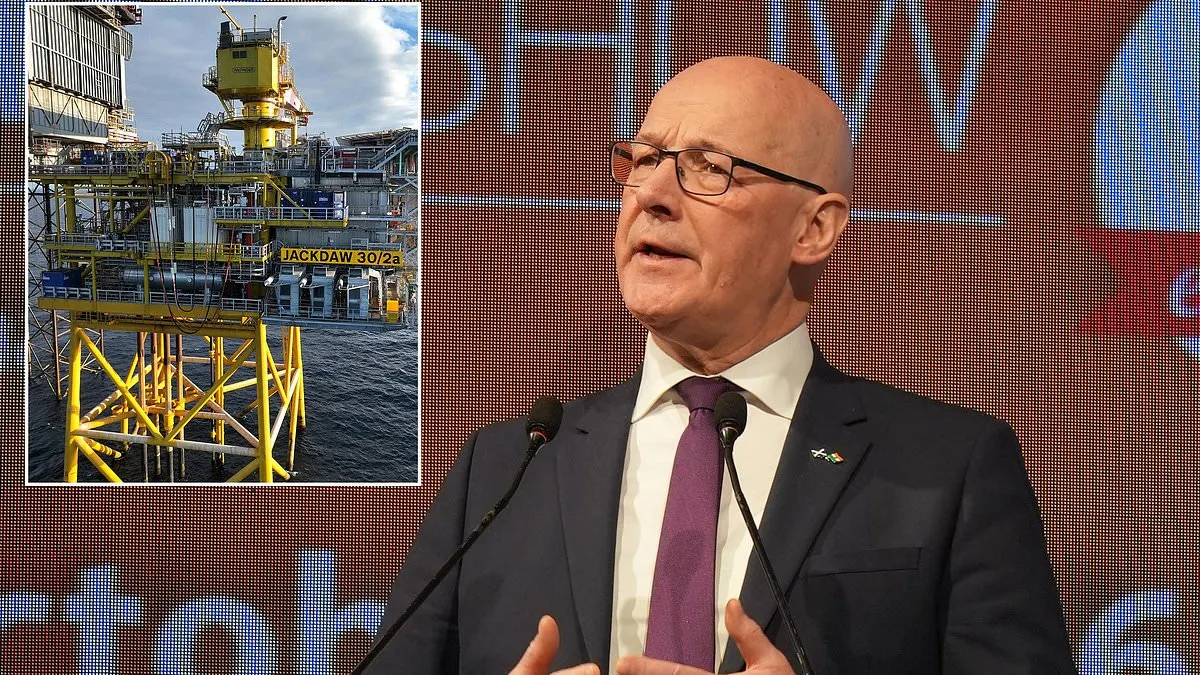
Labour ministers have rejected First Minister John Swinney’s request to restrict a proposed energy wealth fund to projects in Scotland. The fund is intended to use North Sea oil and gas revenues to support renewables and other low-carbon projects across the UK, while the dispute has sharpened questions about the SNP’s position on new drilling.
Swinney made his request after approval of the Jackdaw gas project east of Aberdeen, arguing that Scotland had not fully benefited from its energy resources and that investment should prioritise offshore renewables in the North-East. The fund has an initial £2 billion earmarked, with further funding expected from future North Sea revenues. Scottish and UK Labour figures criticised the SNP for not stating clearly whether it supports projects such as Jackdaw and Rosebank; the Scottish Government’s energy strategy is not expected until next year.
In short
- Labour rejected Swinney’s call to ring-fence the fund for Scotland.
- The fund starts with £2 billion for UK-wide low-carbon investment.
- The SNP has yet to clarify its stance on new North Sea drilling.
Steelman: both sides, in good faith
The strongest fair case each way — we don't pick a winner.
The case for
Supporters of Swinney’s request could argue that Scotland has borne much of the impact of North Sea extraction and should see more of its revenues reinvested locally, particularly in communities facing the energy transition. Prioritising Scottish offshore renewables could help build on existing expertise and support workers as the oil and gas sector changes.
The case against
Opponents could argue that the proposed fund is meant to support the UK-wide shift to low-carbon energy, so restricting it to Scotland would narrow its purpose and limit investment where it could be most effective. They may also say that future North Sea revenues are uncertain and that public funds should be allocated on the strength of projects rather than where the revenues originated.
Explained simply
North Sea oil and gas have generated revenue for the UK, while Scotland’s offshore waters are also a major area for energy production. As the UK shifts towards lower-carbon energy, governments face choices about how to support renewables and other projects, and where that investment should go.
John Swinney is Scotland’s First Minister and leader of the Scottish National Party (SNP); the UK government is led by Labour. The proposed energy wealth fund would use North Sea revenues to back low-carbon projects around the UK, including offshore wind. Jackdaw and Rosebank are proposed oil and gas developments, and debate over them has raised questions about how the SNP balances new drilling with its climate and energy aims.