‘Wildwood’ Director Hopes People “See The Danger” In GenAI, Calls It “Antithetical” To Laika’s Work
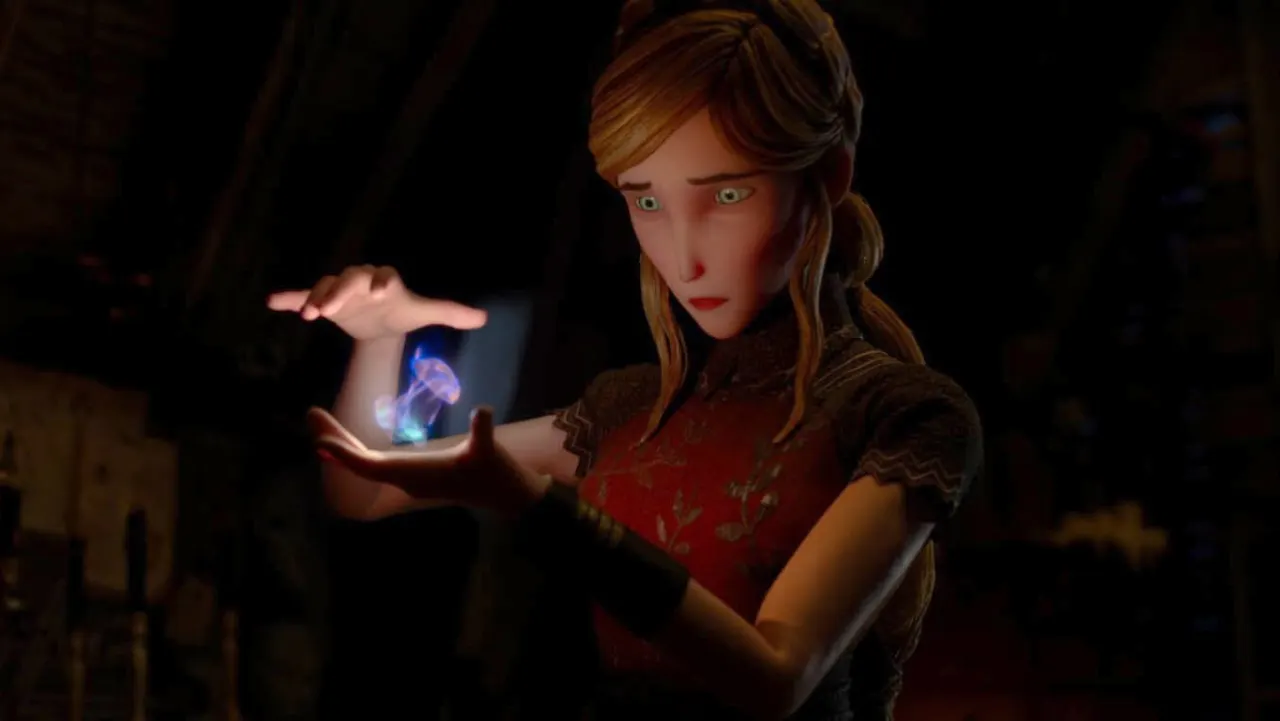
Travis Knight, director of *Wildwood* and chief executive of Laika, says generative AI conflicts with the stop-motion studio’s approach because it can replace artists’ work. He hopes people recognise both the technology’s potential benefits and its dangers.
Knight said AI could help medicine and science, but warned that using artists’ work to generate new material lacks human creativity and amounts to theft. His comments come amid concerns about copyright and jobs, as California moves to discuss tighter AI safeguards and a possible emergency shutoff for advanced models.
In short
- Travis Knight says generative AI conflicts with Laika’s work.
- He sees potential benefits in medicine and science.
- California is discussing safeguards for advanced AI.
Steelman: both sides, in good faith
The strongest fair case each way — we don't pick a winner.
The case for
Generative AI may offer substantial benefits in fields such as medicine and science, and carefully designed safeguards could help society realise them while addressing risks. Supporters may also argue that using AI as a creative tool need not replace artists, and that clear rules on consent, copyright and employment can protect creators while allowing useful innovation.
The case against
Generative AI can displace artists and draw on their work without meaningful consent or compensation, threatening both livelihoods and the human craft that studios such as Laika value. Given the uncertainty around advanced systems and the difficulty of reversing harms once they spread, stronger safeguards—including emergency measures—may be justified to protect creators and the public.
Explained simply
Laika is an animation studio best known for stop-motion films, made by moving physical models a little at a time and photographing each change. Travis Knight leads the studio and directs its films, including Wildwood.
Generative AI makes new text, images or other material by learning patterns from large collections of existing work. Its use has prompted debate about whether artists’ work can be used without permission and whether the technology could reduce creative jobs.
The debate also involves potential uses in fields such as medicine and science, alongside questions about copyright and safety. California is among the places considering stronger safeguards for AI systems.