Wes Streeting defends government ‘be-ready’ plan as Question Time audience tackle him over ‘scaremongering’
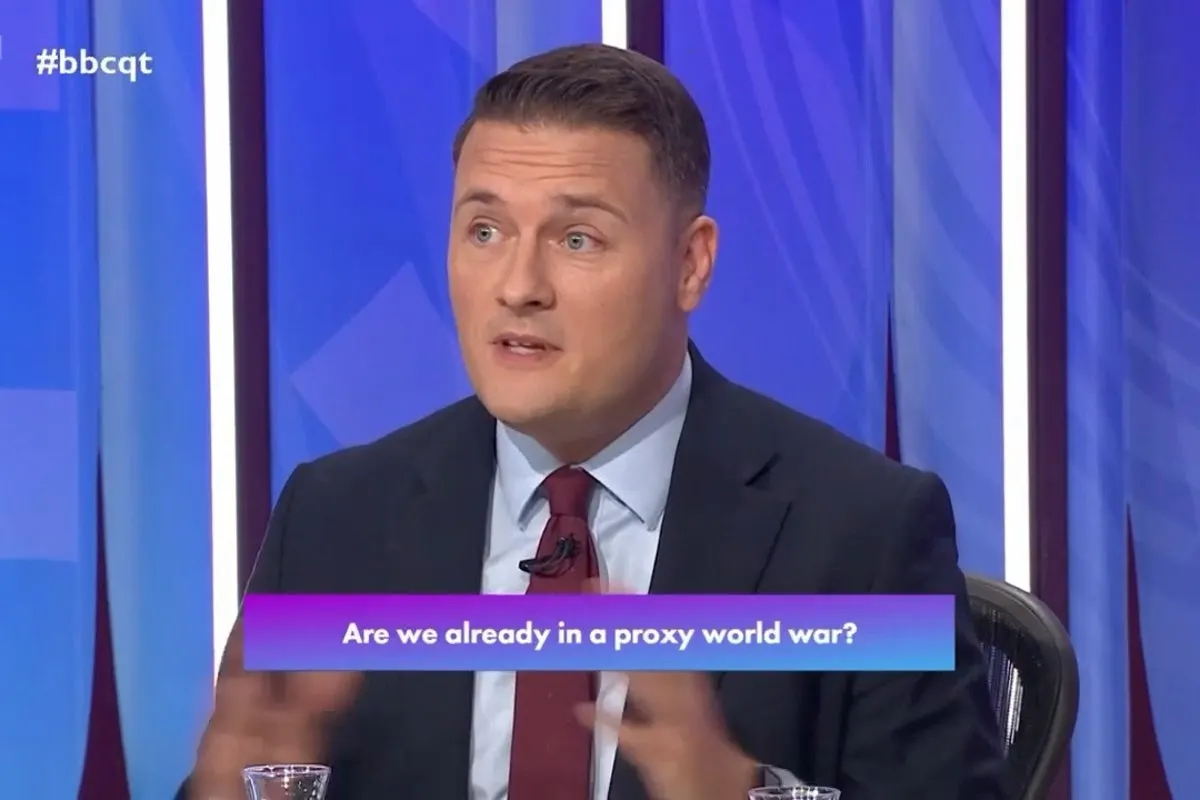
Wes Streeting defended the government’s advice for people to prepare for emergencies after a Question Time audience member accused it of scaremongering. He said the aim was to keep people “alert but not alarmed” and argued that practical preparation could help with everyday disruptions as well as more serious incidents.
Streeting said there was no specific emergency behind the guidance, citing power cuts and a local shop facing a cyberattack as examples. He also said other European countries were further ahead with preparedness, and that the UK was catching up. The audience member raised concerns that the campaign could prompt panic buying, as seen during the Covid-19 pandemic.
In short
- Streeting defended the government’s emergency preparedness advice.
- He said it was not prompted by a specific threat.
- He argued the UK was catching up with European countries.
Steelman: both sides, in good faith
The strongest fair case each way — we don't pick a winner.
The case for
Clear, practical advice can help people cope with power cuts, cyberattacks and other disruptions, even when no particular emergency is expected. Supporters argue that encouraging modest preparation builds resilience and helps the public stay informed without causing undue alarm.
The case against
Government messaging about emergencies can make risks feel more imminent than they are, especially when no specific threat has prompted the guidance. Critics argue that this could cause anxiety or panic buying, as happened during the Covid-19 pandemic, and that officials should communicate carefully to avoid those effects.