In 1977, Alfred Hitchcock named the one movie he regretted never making. It was “written specifically” in his contract that he couldn’t
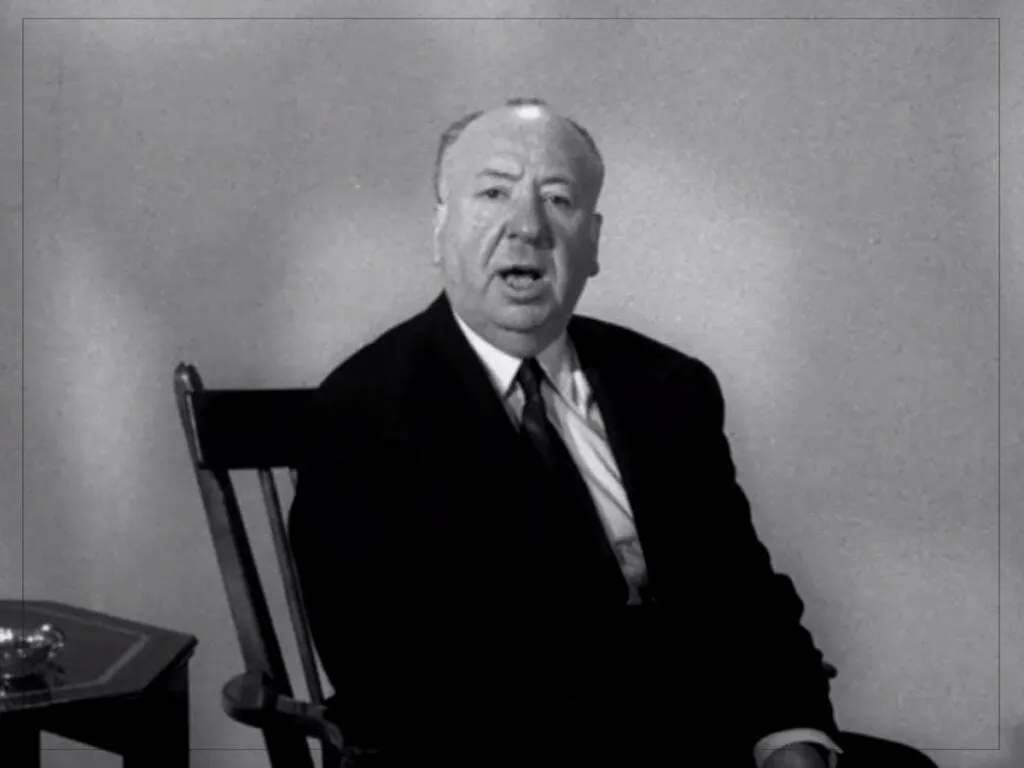
Alfred Hitchcock was barred by his Universal contract from making *Mary Rose*, the supernatural mystery he had wanted to bring to the screen for decades. The case is striking because the director was given broad freedom to choose projects, yet one specific title was explicitly excluded.
Hitchcock first saw J. M. Barrie’s play in London in 1920 and later pursued its screen rights, commissioning scripts and considering how to adapt its story. The play follows a woman who twice disappears while visiting the same remote Scottish island. In a 1977 interview, after the release of *Family Plot*, Hitchcock said he regretted not making it and noted that his contract specifically forbade it.
In short
- Universal’s contract barred Hitchcock from making *Mary Rose*.
- He had wanted to adapt the play for decades.
- He named it as a regret in a 1977 interview.
Explained simply
Alfred Hitchcock was a British film director known for suspense stories, including Psycho and Vertigo. J. M. Barrie, the Scottish author of Peter Pan, wrote the play Mary Rose, about a woman who vanishes twice on a remote island.
Hitchcock first saw the play in 1920 and spent many years exploring ways to adapt it for film. His contract with Universal gave him wide choice over projects but expressly ruled out Mary Rose, leaving it as a story he never filmed.
The case shows how a filmmaker’s plans can be shaped by contractual limits, even when they have unusual creative freedom. Mary Rose also drew Hitchcock because its mystery and supernatural elements offered material distinct from his better-known thrillers.