In 1968, riots swept through Paris. In 1989, they inspired the Stone Roses’ masterpiece
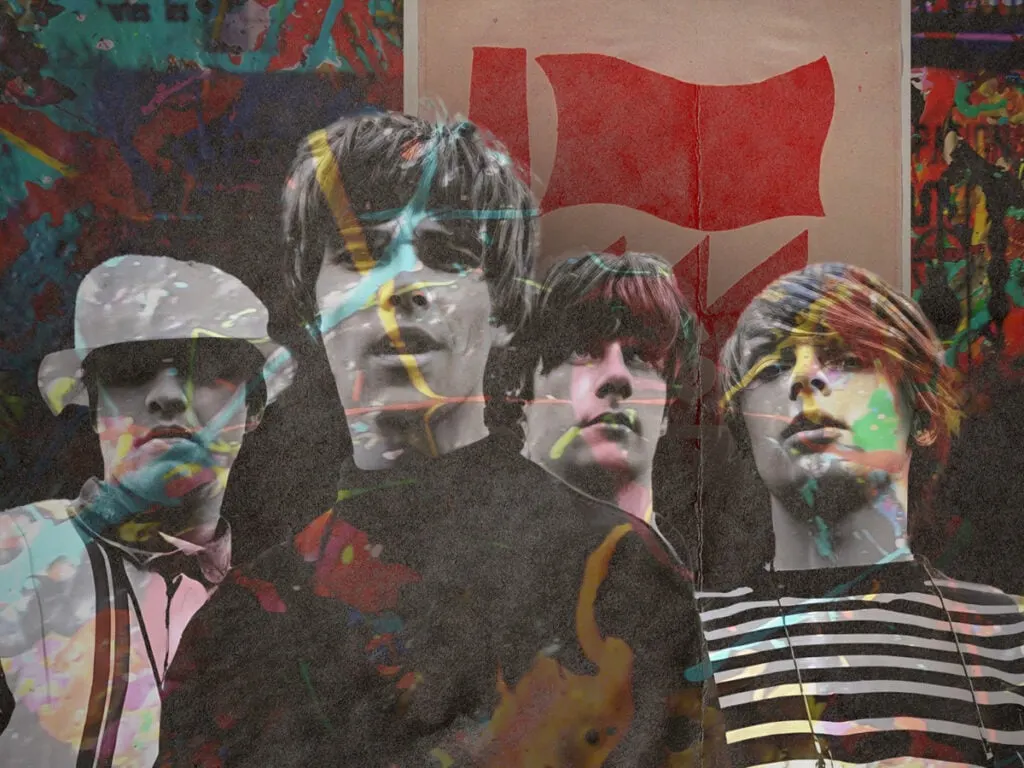
The Stone Roses’ song ‘Bye Bye Badman’, from their 1989 debut album, was inspired by the May 1968 protests in France. Ian Brown imagined a demonstrator confronting a police officer, drawing on stories from a French man he met while hitchhiking who had taken part in the riots.
The article describes the protests as a response to inequality, poor working conditions and wages, and opposition to President Charles de Gaulle; on 30 May, about 500,000 people marched in Paris. Lemons, which the Frenchman said could help counter tear gas, appear on the album cover, while the lyrics evoke defiance and stone-throwing. The song’s themes are linked to ongoing protests over education conditions and funding in France, which unions estimated involved 450,000 people.
In short
- The 1968 Paris protests inspired the Stone Roses’ ‘Bye Bye Badman’.
- Ian Brown drew on a participant’s account of riots and tear gas.
- Lemons on the album cover refer to the protester’s story.
Explained simply
In May 1968, students and workers in France protested against inequality, low pay and poor working conditions, as well as the government of President Charles de Gaulle. The unrest spread across the country, and about 500,000 people marched in Paris on 30 May.
The Stone Roses were a British rock band whose 1989 debut album included “Bye Bye Badman”. Its singer, Ian Brown, drew on an account from a French man who had joined the protests; the song’s references to lemons and defiance reflect that story.
The protests remain a point of reference in France, where people have continued to demonstrate over issues such as education conditions and funding. That history helps explain why a song written decades later can still be connected to public protest.