UK proposes 14-year sentences for deliberate damage to undersea infrastructure
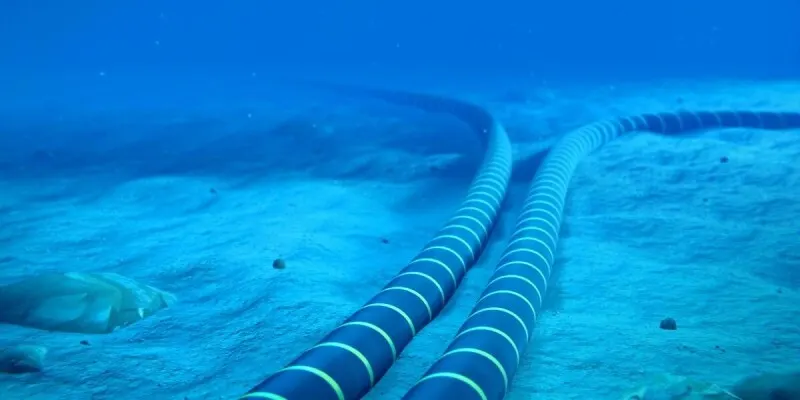
The UK government has proposed tougher laws to protect undersea cables and pipelines, including prison sentences of up to 14 years for intentional damage. The plans respond to concerns about suspicious Russian activity and the vulnerability of infrastructure vital to Britain’s internet and energy supplies.
The government says subsea cables carry about 99 per cent of the UK’s international data traffic, while underwater pipelines provide 74 per cent of its gas. Proposed measures include unlimited fines for reckless or negligent damage, security duties for telecoms operators and powers for ministers to direct companies to act. The plans are open to a 12-week consultation; fishing boats and ships dragging anchors cause up to 97 per cent of cable faults, and proving deliberate sabotage can be difficult.
In short
- Intentional damage could bring up to 14 years in prison.
- Operators may face new security duties and ministerial directions.
- The proposals are under consultation and are not yet law.
Steelman: both sides, in good faith
The strongest fair case each way — we don't pick a winner.
The case for
Supporters argue that undersea cables and pipelines are essential to communications and energy, so deliberate attacks could cause serious disruption and deserve penalties strong enough to deter them. They also see security duties and ministerial powers as a way to improve protection against hostile activity, while consultation allows the proposals to be examined before they become law.
The case against
Critics may accept the need to protect this infrastructure but question whether 14-year sentences and broad powers are proportionate or clearly defined, especially when deliberate sabotage can be difficult to prove. They may also warn that strict duties and unlimited fines could burden operators and risk penalising accidental damage, which accounts for most cable faults, without necessarily making infrastructure safer.
Explained simply
Undersea cables carry data between the UK and other countries, while pipelines bring gas ashore. These links support internet services and energy supplies, so damage can disrupt communications or fuel deliveries.
The infrastructure is used by telecoms and energy companies, while the government sets the laws and security requirements that apply to them. Cables and pipelines can be damaged by fishing gear or ships’ anchors, and it can be difficult to establish whether damage was deliberate.
The plans are being considered amid concerns about suspicious Russian activity near undersea infrastructure. They raise questions about how to protect these links and how responsibility should be handled when damage occurs.
Read the full article at the source →
Originally published by The Register as “UK threatens subsea cable saboteurs with 14 years behind bars”.