Trump sidelines sweeping Russia sanctions as GOP allies warn pressure on Putin is slipping
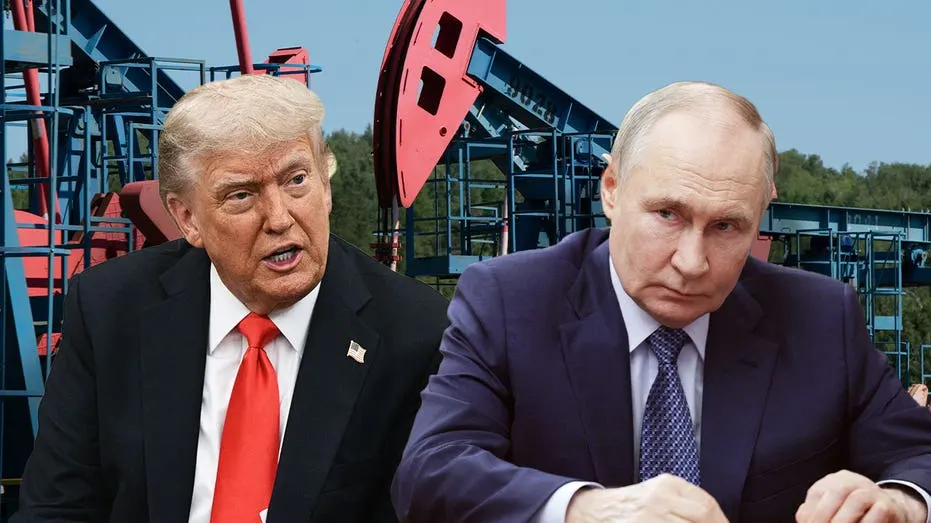
President Donald Trump has put most new US sanctions and tariffs on Russia on hold, arguing that keeping them in reserve could help bring Vladimir Putin to peace talks. The decision has prompted criticism from Republican supporters of the legislation and raised concerns that Moscow may doubt Washington’s willingness to impose penalties.
The Graham Act, signed in September, authorised tariffs on Russia and major buyers of its energy, as well as sanctions on Russian financial institutions and companies doing significant business with them. It also gave the president power to waive penalties, which Trump has used; the administration has separately eased restrictions on Russian diesel exports. Foreign policy expert Hal Brands said repeatedly withholding sanctions could weaken their credibility, while Republican senators including Katie Britt, Shelley Moore Capito and Thom Tillis urged the administration to increase pressure.
In short
- Trump has waived most new Russia penalties.
- The move has drawn criticism from Republican supporters of the law.
- Experts warn that holding back could weaken the threat of sanctions.
Steelman: both sides, in good faith
The strongest fair case each way — we don't pick a winner.
The case for
Keeping sanctions and tariffs in reserve may preserve bargaining leverage and leave Trump room to secure Russian participation in peace talks. The law gives the president waiver authority, and avoiding immediate penalties could also limit economic costs or unintended effects on energy markets while negotiations remain possible.
The case against
Withholding measures already authorised by Congress may make the threat of future penalties less credible and encourage Moscow to doubt Washington’s resolve. Supporters of stronger pressure argue that sanctions on Russia and major buyers of its energy could raise the cost of continuing the war and give Putin a clearer reason to negotiate.
Explained simply
The United States has used economic sanctions to restrict Russia’s access to money, trade and technology since its invasion of Ukraine in 2022. These measures are intended to raise the cost of the war and influence the Russian government’s decisions.
The Graham Act, passed by Congress and signed by President Donald Trump in September, authorised penalties on Russia and countries that buy its energy, including tariffs and sanctions on financial firms. It also allows the president to waive those penalties. Vladimir Putin leads Russia, while Republican senators who backed the law are among those arguing for stronger pressure.
The issue matters because sanctions can have less effect if other governments think they are unlikely to be imposed. At the same time, US presidents can use the prospect of penalties as part of efforts to bring another government to negotiations.
Europe Geopolitics Politics World