‘Fighting an impossible fight is the only way to reclaim dignity’: Lee Chang-dong on class warfare and his searing Oscar contender
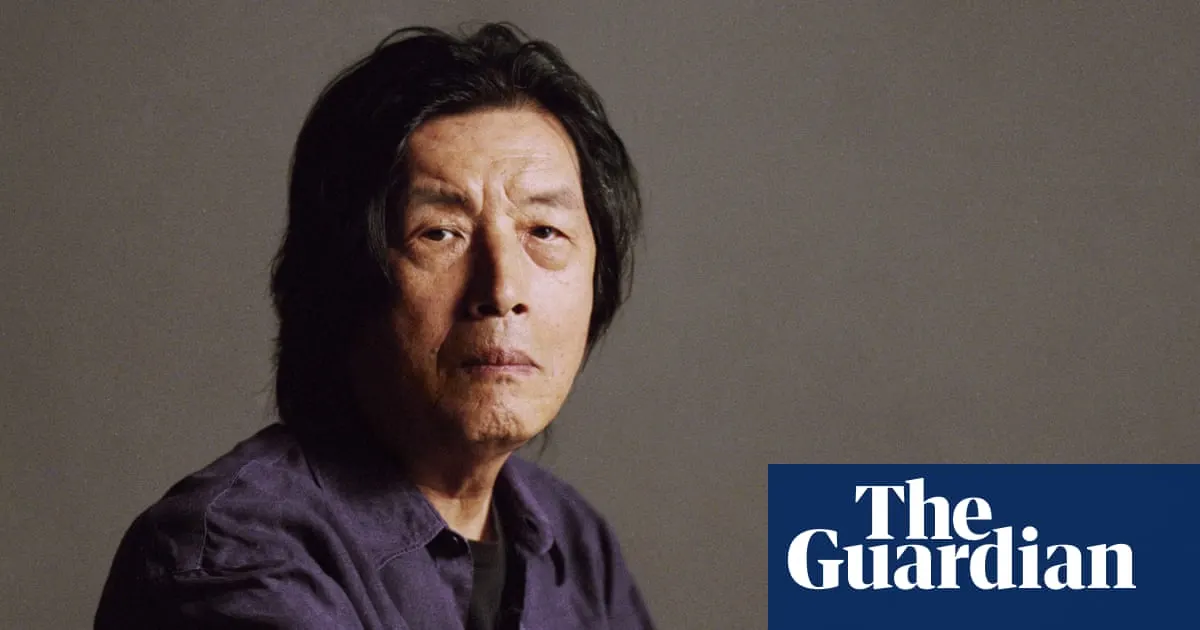
Lee Chang-dong’s new film, *Possible Love*, explores how mass redundancies affect workers and their families, alongside questions about who has the right to tell their stories. Inspired by a 2009 strike at Ssangyong Motors, the film examines labour’s relationship with capital and the widening gulf between people with little economic power and the wealthy.
The Ssangyong workers occupied their factory for 77 days to protest planned cuts affecting 37 to 43 per cent of staff; riot police eventually ended the protest. Lee says the crackdown was followed by suicides and lasting mental health problems, which made him question whether he could responsibly tell the story. The film places a documentary-maker’s interest in a laid-off worker and his wife within a wider encounter between two couples, and won the grand jury prize at the Venice Film Festival.
In short
- Lee Chang-dong’s *Possible Love* examines redundancy and class tensions.
- It draws on a 2009, 77-day workers’ occupation in South Korea.
- The film won the Venice Film Festival’s grand jury prize.
Steelman: both sides, in good faith
The strongest fair case each way — we don't pick a winner.
The case for
The film can be seen as a necessary way to make the human costs of mass redundancies visible, especially when workers have little power and their experiences might otherwise be overlooked. Telling the story through affected families may honour their struggle and prompt reflection on the consequences of decisions made by employers and the state.
The case against
A thoughtful concern is that turning a traumatic strike and its aftermath into a film risks simplifying real people’s experiences or using their suffering to serve an artistic vision. The documentary-maker’s interest in the laid-off worker also raises a genuine question about who has the right to tell such stories, and whether those portrayed can shape how their lives are represented.
Business Companies Culture Entertainment Film Horror Research Science