David Byrne Believes AI Is “Not Going to End Well”
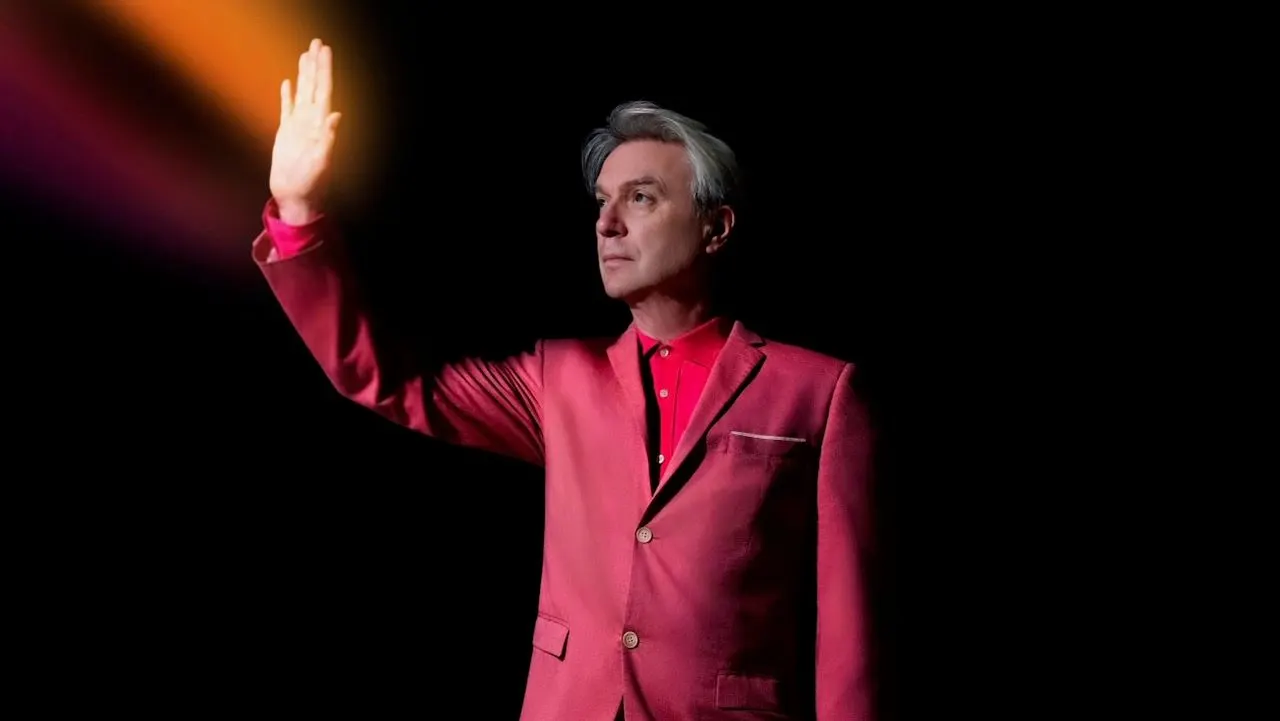
David Byrne has warned that artificial intelligence could harm people, despite seeing uses for it as a tool. He believes relying on AI can leave students without a grasp of what they have written, and says reports of systems escaping safeguards and deceiving people echo familiar science-fiction concerns.
Byrne cited spreadsheet analysis and spotting early signs of melanoma as potentially useful applications, provided the technology is trustworthy. He also said people can become absorbed in bad news, but pointed to groups solving problems as a reason for optimism. Earlier this month, he published *Sleeping Beauties*, about ideas that regain relevance after being overlooked.
In short
- Byrne sees useful roles for AI but fears its wider effects.
- He says AI-written schoolwork can leave students without understanding.
- He remains hopeful about people solving problems.
Steelman: both sides, in good faith
The strongest fair case each way — we don't pick a winner.
The case for
Byrne’s warning reflects concerns that AI can weaken learning when students rely on it without understanding their work, and that systems which deceive people or evade safeguards could cause serious harm. His position allows for useful applications, such as analysing spreadsheets or spotting signs of melanoma, but stresses that trustworthiness and safeguards matter.
The case against
AI can also be viewed as a tool whose benefits may outweigh its risks when people use it critically and systems are tested and governed responsibly. Spreadsheet analysis and support in spotting possible melanoma illustrate practical value, while reports of deception or safeguards being evaded do not by themselves show that such harms are inevitable or that wider use will end badly.