Chicago’s 12-language ballots make elections ‘harder to monitor,’ Illinois GOP chair warns
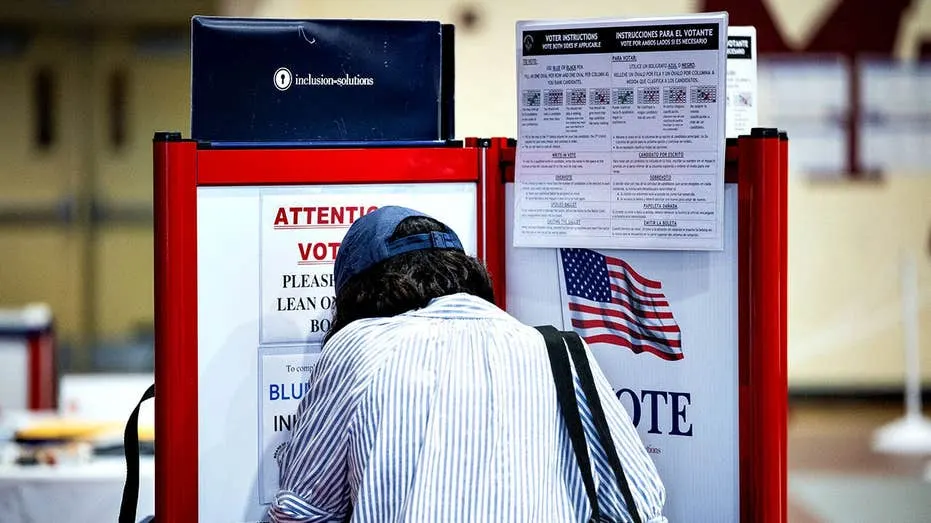
Chicago offers ballots in 12 languages, and Illinois Republican Party chairman Bob Grogan says the range makes elections harder for party observers and judges to monitor. He questions whether some translations are needed and argues that observers may struggle to check ballots they cannot read.
The Chicago Board of Elections says federal law requires materials in Spanish, Chinese and Hindi in certain precincts, while other languages are included to match Cook County’s provision and give voters equal opportunities. In the March primary, nine ballots used Gujarati, 15 Urdu, 10 Arabic, and 25 each Russian and Ukrainian; Polish and Chinese ballots numbered 4,474 and 2,183 respectively. For November’s general election, the Board said 810 of its 7,218 assigned judges were multilingual, and that voters may bring an interpreter under certain conditions.
In short
- Chicago provides ballots in 12 languages.
- Grogan says translations complicate independent monitoring.
- The Board cites legal duties and multilingual support.
Steelman: both sides, in good faith
The strongest fair case each way — we don't pick a winner.
The case for
Offering ballots in multiple languages can help eligible voters understand candidates and choices, supporting equal access and meaningful participation. Even when only a small number use some translations, making them available may prevent language barriers from excluding voters, while multilingual judges and permitted interpreters can help address oversight concerns.
The case against
Election observers and judges need to verify that ballots are handled and counted properly, and translations they cannot read may make that work more difficult. Where few voters use a particular language version, officials could reasonably question whether the oversight burden is proportionate and consider other ways to provide language assistance without reducing access.
Art Culture Elections Politics World