Brent climbs above $117 as markets assess risk of renewed Iran strikes
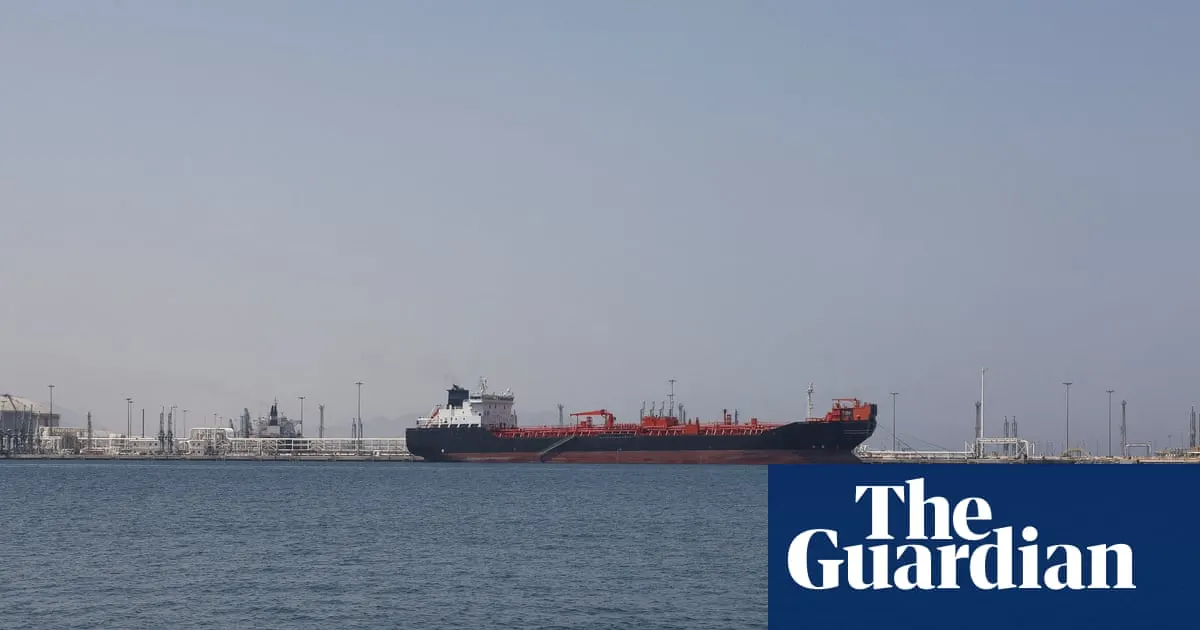
Brent crude rose by about 3.5% on Friday, briefly topping $117 a barrel, as markets weighed the risk of renewed US and Israeli strikes on Iran. The rise matters because escalating threats and attacks around the Gulf could disrupt oil supplies and shipping routes.
Iran warned it would target Gulf oil facilities and other infrastructure if a new offensive began, while its Revolutionary Guards claimed to have struck four commercial ships in the Strait of Hormuz. Oil was around $72 a barrel before the war began in February and reached $126 in late April; concerns have also been fuelled by Houthi attacks on Saudi Arabia and Ukrainian strikes on Russian refineries.
In short
- Brent briefly rose above $117 a barrel.
- Fears of renewed strikes on Iran drove market concerns.
- Gulf shipping and refinery attacks added to supply risks.
Steelman: both sides, in good faith
The strongest fair case each way — we don't pick a winner.
The case for
Those favouring a forceful response to Iran’s threats argue that leaving attacks on shipping and warnings against Gulf infrastructure unanswered could invite further escalation and put vital trade routes at greater risk. Deterring attacks may help protect regional partners and keep oil moving, even if markets react nervously in the short term.
The case against
Those urging restraint argue that new US and Israeli strikes could trigger retaliation against Gulf facilities and shipping, worsening the very supply risks that are driving prices higher. Avoiding another round of attacks may reduce the chance of a wider conflict and its costs to civilians, regional stability and energy consumers.
Americas Business Markets Middle East Software Technology World
Read the full article at the source →
Originally published by The Guardian as “Oil price rises above $117 a barrel amid fears US will renew strikes on Iran”.