Trump says judge is ‘desecrating’ Charlie Kirk’s memory amid fight over assassination trial date
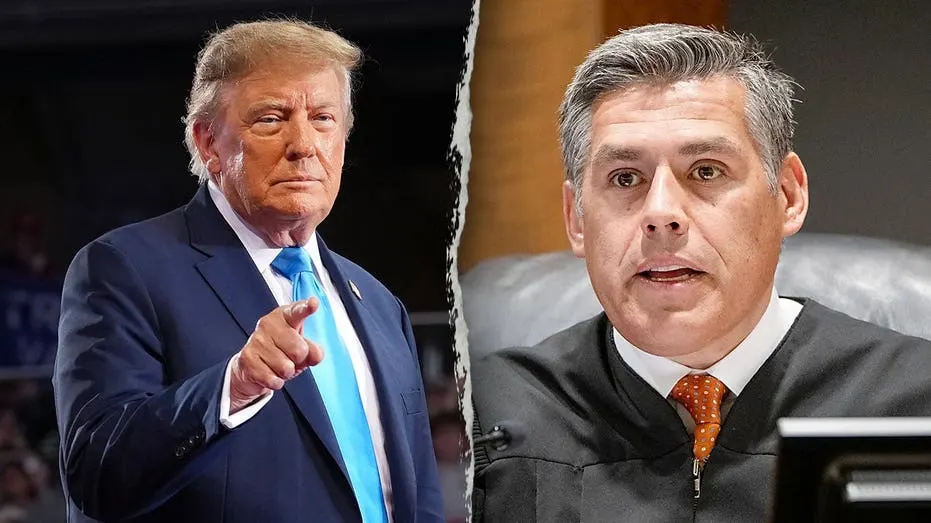
Donald Trump has criticised the judge overseeing the assassination case against Charlie Kirk, arguing that the trial should happen within a month rather than take years. His comments add political pressure to a case in which the defence has proposed a much later trial date.
Tyler Robinson’s defence team suggested a tentative start in the third quarter of 2029. Robinson was due to appear in court on Friday afternoon; the article provides no further details about the hearing.
In short
- Trump says the trial should begin within a month.
- Robinson’s defence proposed a start in the third quarter of 2029.
- Robinson was due in court on Friday afternoon.
Steelman: both sides, in good faith
The strongest fair case each way — we don't pick a winner.
The case for
A prompt trial can serve the public interest by resolving a grave case without years of uncertainty for Kirk’s family and the wider community. Supporters of Trump’s position may argue that the seriousness of the accusation makes timely proceedings especially important, provided the defence has a fair opportunity to prepare.
The case against
The defence may need substantial time to examine evidence, investigate the case and prepare for proceedings with exceptionally high stakes. A carefully managed timetable can protect Robinson’s right to a fair trial, and political pressure to move faster could risk undermining that process.
Explained simply
Charlie Kirk was a conservative political activist in the United States who was killed in an attack described by prosecutors as an assassination. Tyler Robinson is charged in connection with his death and is entitled to a trial at which the prosecution must prove its case.
The judge oversees the proceedings and sets the timetable, while Robinson’s lawyers represent him and can make proposals about when the trial should begin. The timing matters because a lengthy wait can affect the accused, the people involved in the case and the public interest in a fair process.