EXCLUSIVE: Rhode Island school district accused of hiding kids’ gender transitions from parents
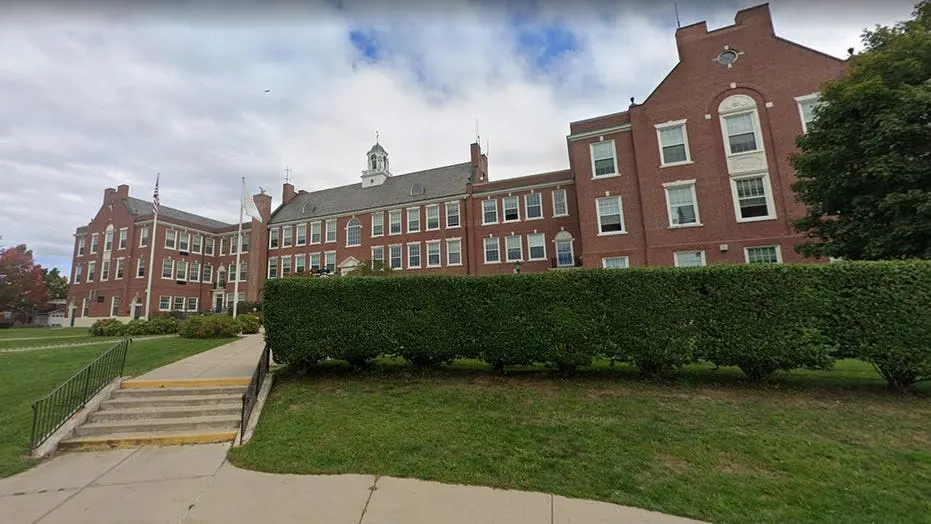
America First Legal has asked the Justice Department and Education Department to investigate Westerly Public Schools in Rhode Island, alleging its transgender student policy violates federal civil rights laws and parents’ rights. The complaint challenges how the district handles students’ gender transitions and says the Trump administration should require policy changes.
Adopted in 2017, the policy allows changes to names, pronouns and school records without necessarily notifying or getting consent from parents. Its guidance says staff should consider family involvement case by case, including whether notification could put a student at risk. The group also disputes provisions allowing students to use facilities and take part in sports according to gender identity, and alleges violations of FERPA, PPRA and Title IX; these are claims in its complaint, not established findings.
In short
- America First Legal has filed a federal complaint against Westerly schools.
- The group challenges the district’s 2017 transgender student policy.
- It alleges violations of FERPA, PPRA and Title IX.
Steelman: both sides, in good faith
The strongest fair case each way — we don't pick a winner.
The case for
Supporters of the complaint argue that parents generally have a legitimate interest in significant decisions affecting their children, and that schools should be transparent about changes to names, records and support plans. They may also contend that sex-based rules for facilities and sport protect privacy and fair competition, and that federal authorities should examine whether the policy complies with civil rights and education laws.
The case against
Supporters of the district’s approach argue that students need a safe, respectful school environment, and that involving families case by case can protect young people who may face rejection or harm if a transition is disclosed. They may also argue that recognising a student’s gender identity in school helps prevent exclusion, while the complaint’s legal allegations remain unproven and should be assessed through due process.