NASA revises Artemis plans for 2028 lunar landing and Orion rendezvous
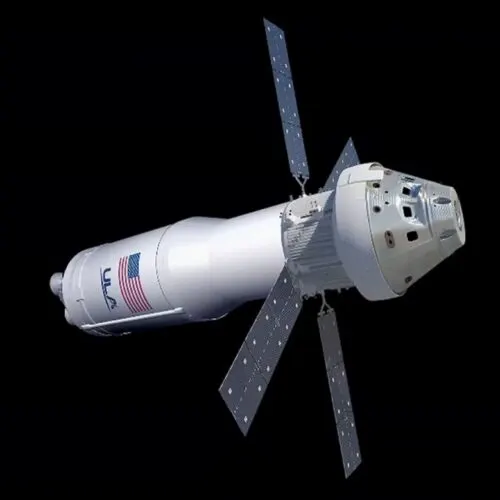
NASA has revised its plans for Artemis, aiming to land astronauts on the Moon in 2028 while changing how Orion will meet the lunar landers. The updated approach is intended to simplify mission requirements and help SpaceX and Blue Origin make progress, though major technical uncertainties remain.
For SpaceX, Starship would refuel in low Earth orbit, then dock with Orion in high Earth orbit; two of Orion’s four astronauts would transfer to Starship for the landing. NASA has not confirmed how many tanker launches refuelling will require: a safety panel estimated about 22, while Elon Musk has suggested six to eight, which NASA’s administrator called a possible eventual target. Blue Origin’s plan uses four New Glenn launches and transfer stages, with no vehicle-to-vehicle refuelling for initial missions. NASA still expects an Artemis III docking demonstration near Earth in summer 2027, followed by the Artemis IV lunar landing in 2028.
In short
- NASA has changed how Orion will connect with lunar landers.
- SpaceX’s Starship refuelling needs remain uncertain.
- Artemis III is planned for 2027 and a landing for 2028.
Steelman: both sides, in good faith
The strongest fair case each way — we don't pick a winner.
The case for
The revised approach could make the 2028 landing more achievable by simplifying how Orion and the landers meet, while giving SpaceX and Blue Origin clearer paths to advance their systems. Keeping the 2027 docking demonstration would also let NASA test a key step before committing astronauts to a landing, and pursuing both companies’ plans may preserve options if one faces delays.
The case against
A 2028 landing may be an optimistic target while essential capabilities remain uncertain, particularly the number of launches needed to refuel Starship and whether the proposed rendezvous plans can be completed safely and on schedule. Changing the mission architecture could add integration challenges, and a rushed timetable may put pressure on NASA to accept technical or operational risks before they are well understood.
Read the full article at the source →
Originally published by Ars Technica as “NASA updates lander plans for Moon landings, finally solves long-festering Orion issue”.