‘Rehearsals for a Revolution’ movie review: A personal slant on a tale of generational political activism
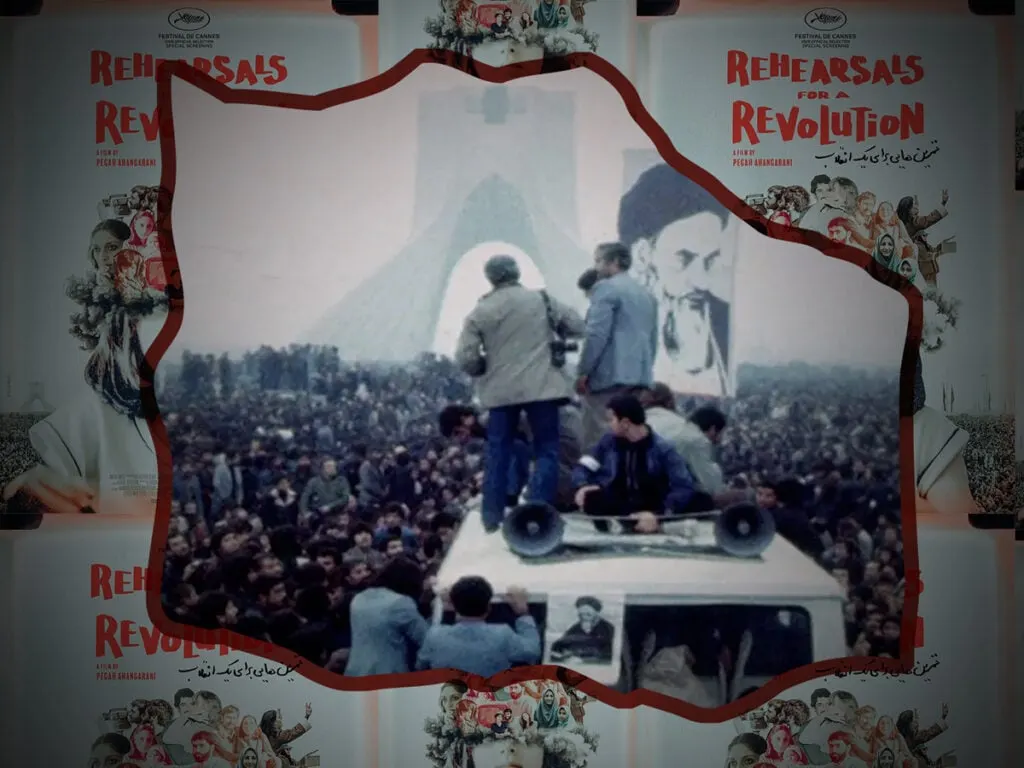
Pegah Ahangarani’s documentary *Rehearsals for a Revolution* traces nearly half a century of Iranian political change through stories of her family, teachers and her own activism. The film argues that making art in Iran can itself be an act of resistance, and uses personal experience to make the effects of repression more tangible.
Across five chapters, Ahangarani recalls her father’s path towards political awareness before the 1979 revolution, her childhood, her uncle Rashid’s fate, her campaigning for Mir Hossein Mousavi and her hopes for her daughter’s future. The review praises the childhood chapter and the film’s inventive approach, while noting that its account of political developments is broad and may rely on viewers already knowing Ahangarani’s story.
In short
- Ahangarani tells Iran’s political history through five personal chapters.
- The film links artistic expression with resistance.
- The review praises its intimacy but finds some politics underexplored.
Steelman: both sides, in good faith
The strongest fair case each way — we don't pick a winner.
The case for
A personal, family-centred approach can make decades of political change and repression more vivid than a broad historical account, while showing how art and activism carry meaning across generations. The film’s inventive structure and attention to ordinary experience may offer a valuable perspective on Iranian history, even if it does not cover every development in depth.
The case against
A review can reasonably question whether a personal account gives enough context for viewers unfamiliar with Ahangarani’s life or Iran’s political history. By foregrounding family memories and selected episodes, the film may leave major developments underexplained and offer a partial picture of a complex period.
Explained simply
Iran’s 1979 revolution overthrew the monarchy and established the Islamic Republic, reshaping the country’s political system. Since then, Iranian artists and activists have worked within limits on public expression, while political campaigns and periods of protest have reflected differing hopes for the country’s future.
Pegah Ahangarani is an Iranian filmmaker and actress whose family and personal experiences span several generations of political change. Her father, uncle Rashid and teachers are among the people whose stories help explain the connections between private life, political activism and making art in Iran.