‘Carrie’ Signals an Even Bigger Issue With Mike Flanagan’s Streaming Hits
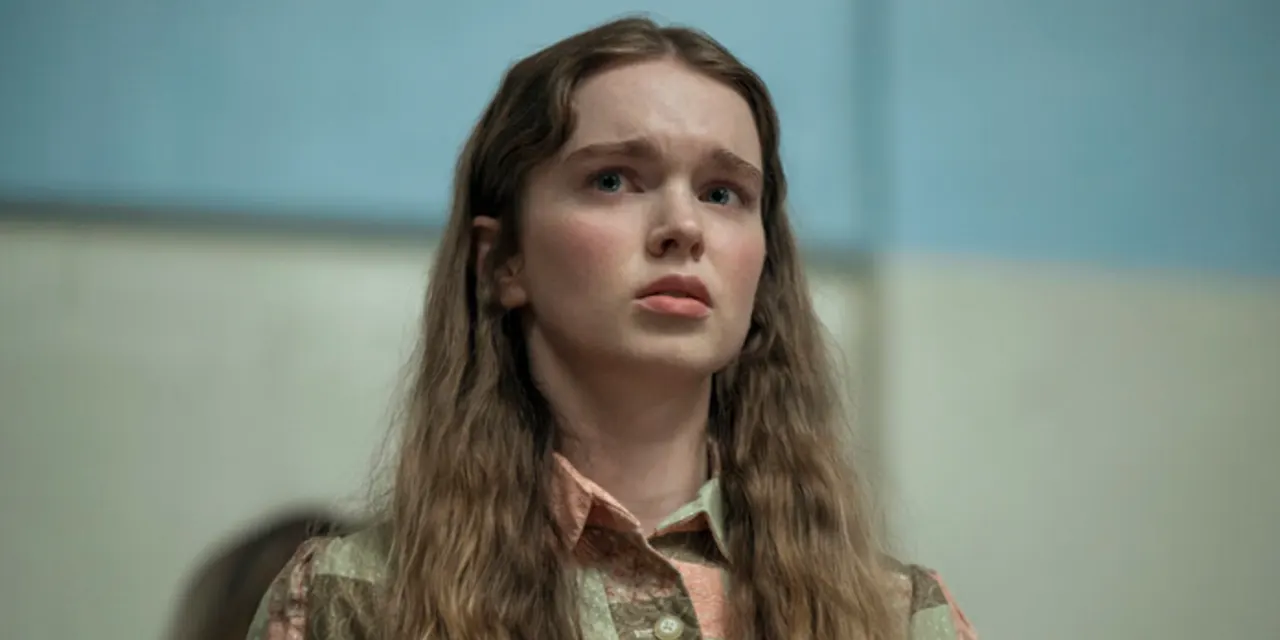
Mike Flanagan’s new adaptation of Stephen King’s *Carrie* uses a documentary-style format and links Carrie’s powers to a wider supernatural universe. The article argues that these additions distract from the story’s central tragedy and expose a weakness in Flanagan’s larger-scale storytelling.
The series follows Carrie, played by Summer H. Howell, as she starts high school after her father’s death, with attendance required for her mother to retain custody. Interviews with survivors of the prom massacre are woven through the story and later connect to Adelaide, played by Kate Siegel. The finale references “the shine”, tying Carrie to other King stories, while Emaline’s supernatural control of Carrie during the massacre shifts responsibility for the carnage away from Carrie.
In short
- Flanagan’s *Carrie* expands Stephen King’s supernatural universe.
- The article says the expansion weakens Carrie’s central tragedy.
- Emaline’s powers alter who carries out the prom massacre.
Steelman: both sides, in good faith
The strongest fair case each way — we don't pick a winner.
The case for
The documentary framing and links to King’s wider supernatural world could deepen the adaptation by showing how the massacre reverberates through a community and placing Carrie’s experience within a larger mythology. Emaline’s influence may also complicate the question of responsibility, making the tragedy less a simple account of individual violence and more a story about manipulation and forces beyond Carrie’s control.
The case against
Those additions may pull attention away from the intimate tragedy at the story’s centre: a vulnerable teenager facing abuse, isolation and a catastrophic response. The interviews and wider-universe references can feel like setup for other stories, while Emaline’s control risks weakening the moral and emotional force of Carrie’s choices and the consequences of the massacre.
Explained simply
Stephen King’s novel Carrie follows a teenager who is bullied at school and controlled by her religious mother. At the school prom, her emerging telekinetic abilities—powers to move things with her mind—lead to a deadly outbreak of violence.
Mike Flanagan’s adaptation adds interviews with people connected to the massacre and links Carrie’s abilities to “the shine”, a psychic power found in other King stories. These additions place the story within a wider fictional world, while changing how events around the massacre are presented.
The story’s central tension is how Carrie’s isolation, her mother’s control and her treatment at school contribute to the tragedy. How much responsibility Carrie bears for the violence shapes the meaning of her story.