Michigan Senate rivals clash over Muslim Brotherhood allegations as Rogers doubles down on El-Sayed
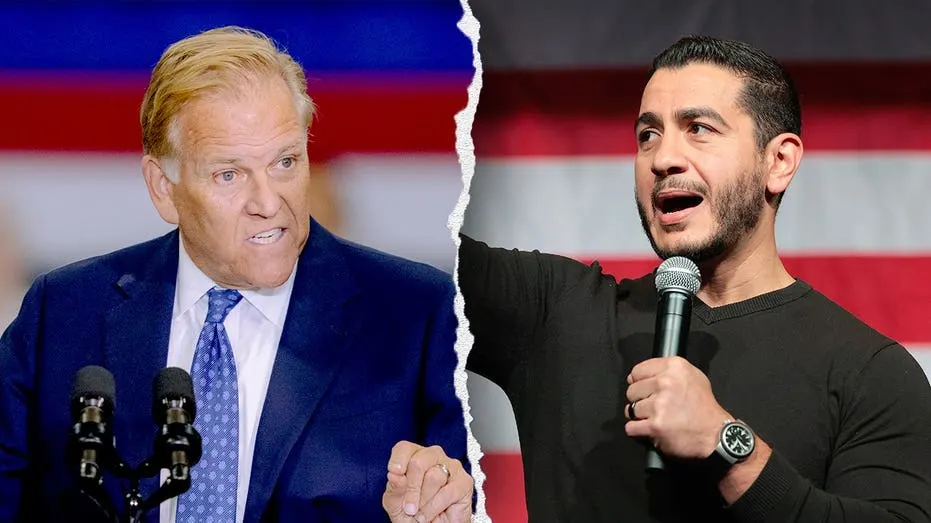
Michigan Senate rivals Abdul El-Sayed and Mike Rogers traded accusations in separate interviews, with El-Sayed saying Rogers was questioning his loyalty because of his Muslim faith. Rogers maintained that El-Sayed had embraced Muslim Brotherhood ideology, while El-Sayed denied any personal or family ties to the organisation and said he would be loyal to the US Constitution.
The dispute drew on a 2012 letter concerning decisions by former Egyptian president Mohamed Morsi and social media posts by El-Sayed’s half-sister about their mother; neither establishes that El-Sayed belonged to the group. El-Sayed has explicitly disavowed it, and the FBI has declined to confirm or deny whether his sister-in-law was on a terrorist watchlist. The candidates also clashed over the Iran war and Michigan’s economy: Rogers cited 27,000 lost manufacturing jobs and high car insurance costs, while El-Sayed linked the conflict to rising prices.
In short
- El-Sayed denied Muslim Brotherhood ties and pledged loyalty to the Constitution.
- Rogers repeated allegations that El-Sayed had adopted the group’s ideology.
- The rivals also disagreed over Iran and Michigan’s economy.
Steelman: both sides, in good faith
The strongest fair case each way — we don't pick a winner.
The case for
Rogers can argue that voters are entitled to scrutinise a candidate’s past statements and associations, and to ask whether his political views reflect an ideology the candidate has addressed publicly. He may also contend that his concerns about manufacturing job losses, insurance costs and the economic effects of the Iran conflict deserve direct answers from his opponent.
The case against
El-Sayed can argue that allegations about Muslim Brotherhood ties have not established his membership or personal connection, and that his faith or relatives’ remarks are not evidence of disloyalty. He has disavowed the organisation and affirmed loyalty to the Constitution, so critics should focus on his own verified words and record; he also argues that the Iran conflict is contributing to higher prices.
Explained simply
Michigan is holding an election for one of its seats in the US Senate, which represents the state in the national legislature. Abdul El-Sayed, a doctor and former state health director, and Mike Rogers, a former congressman, are among the candidates. The contest is taking place amid debate over the economy and US policy towards Iran.
The Muslim Brotherhood is an Islamist movement founded in Egypt; it has been treated differently by governments in different countries. Claims about a candidate’s links to such a group can carry serious political and personal consequences, while family members’ views or associations do not by themselves establish the candidate’s own ties. In this race, questions about faith, political loyalty and the meaning of past statements have become part of the wider campaign debate.
Business Government Markets Politics World