France prepares for day of protest a week after nationwide riots
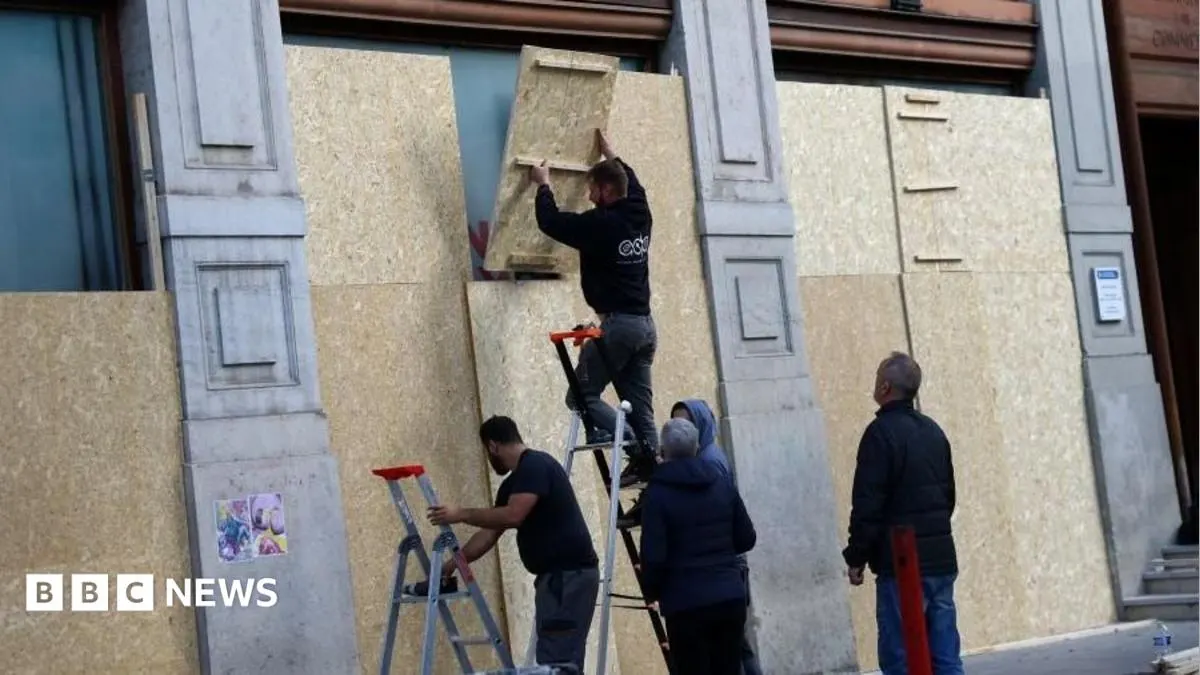
France is preparing for another nationwide day of protest after last Saturday’s demonstrations escalated into some of the country’s worst unrest in decades. The government has imposed restrictions and raised security levels as opposition parties criticise its handling of the earlier violence, while organisers say protests will go ahead.
The interior ministry plans to deploy 70,000 police officers, and hundreds of demonstrations have been listed across the country. Some cities have banned gatherings, while others have allowed authorised marches; in Paris, museums will close, a football match has been postponed, and businesses have boarded up windows. The protests began with students and unions and have drawn support from wider anti-government groups, including the revived yellow-vest movement.
In short
- France expects a second day of nationwide protests.
- 70,000 police officers are to be deployed.
- Cities are imposing different restrictions on demonstrations.
Steelman: both sides, in good faith
The strongest fair case each way — we don't pick a winner.
The case for
Supporters of the restrictions argue that, after severe violence and damage, the state has a duty to protect public safety and keep essential services operating. A large police deployment and limits on gatherings may help prevent clashes and reassure residents and businesses, while authorised marches can still allow peaceful protest.
The case against
Critics argue that broad bans and heavy security measures risk restricting the right to assemble and treating peaceful demonstrators as a threat because of earlier violence. They say the government should distinguish peaceful protest from criminal acts, and that suppressing demonstrations may deepen public anger rather than address the grievances driving them.
Explained simply
France is governed by a president and a national government, while police and local authorities are responsible for public order. Large protests are often organised by trade unions and student groups, but other movements can join them.
The yellow-vest movement began in 2018, when demonstrations over fuel costs grew into broader protests about living costs and government policy. When protests turn into riots, clashes and damage can lead to tighter security measures and debate over how the authorities should respond.
The unrest matters because it can disrupt daily life across the country and deepen disagreements between the government, opposition parties and protesters. The mix of organised groups and wider anti-government movements can also make demonstrations harder to predict.