Pennsylvania law requires delivery robots to yield to pedestrians, yet protester still faced arrest
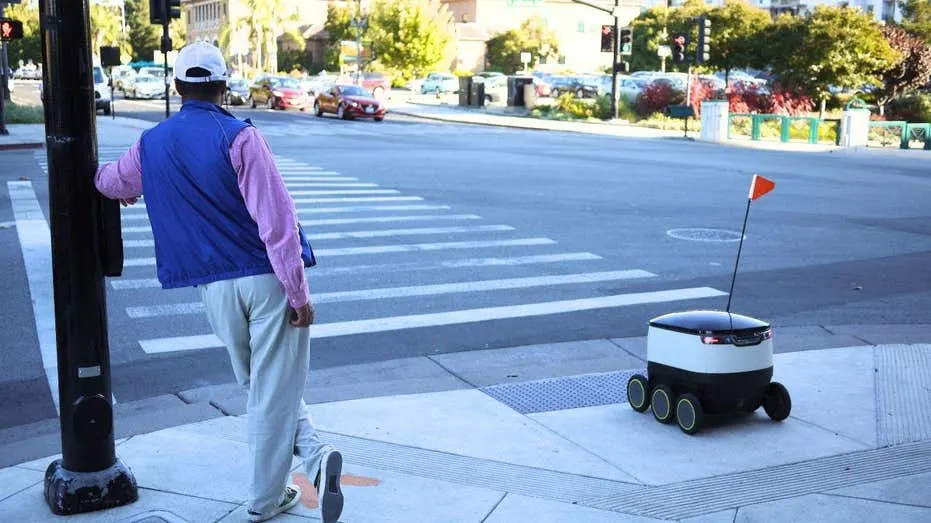
Carolyn Marvin, a 78-year-old retired University of Pennsylvania professor, was arrested after blocking an Uber Eats delivery robot on a Philadelphia pavement and refusing police instructions to move. Her protest has drawn attention to concerns that delivery robots could displace human couriers and to questions about how pedestrians and robots should share public space.
Marvin says she has been blocking robots for months to start conversations and defend workers’ livelihoods, and argues that her actions are protected protest; she plans to contest the disorderly conduct citation. Uber has said its robots are intended to complement human couriers, while the article says it is unclear whether their use has eliminated delivery jobs. The article’s headline points to Pennsylvania rules requiring robots to yield to pedestrians, though the supplied text cuts off before explaining the law.
In short
- A 78-year-old Philadelphia woman was arrested after blocking a delivery robot.
- She says the protest highlights the risk to human delivery workers.
- She plans to challenge her citation and continue protesting.
Steelman: both sides, in good faith
The strongest fair case each way — we don't pick a winner.
The case for
Delivery robots may make deliveries more efficient and convenient, and Uber says they are intended to complement human couriers. If their use does not eliminate jobs, they could offer another service while leaving human couriers in work; clear rules requiring robots to yield can help them share pavements safely. Marvin’s protest also raises a legitimate question about whose livelihoods and interests should count as technology reshapes public space.
The case against
Even if robots are meant to complement couriers, their wider adoption could reduce demand for human delivery work, and the article leaves the effect on jobs uncertain. People may reasonably want stronger evidence and public debate about those consequences before robots become commonplace on pavements. At the same time, requiring pedestrians and robots to share public space under clear rules can protect access without treating every deployment as harmful.