Yogurt shop murders fuel family questions about accomplice as rage lingers over wrongfully accused
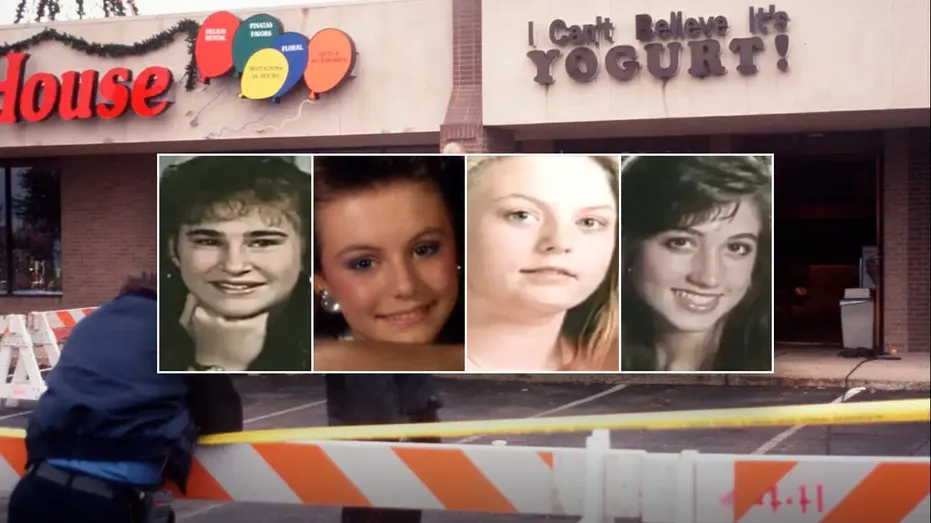
Nearly 34 years after four girls were killed in an Austin yoghurt shop, the family of one victim has helped launch a national centre to support cold-case investigations and victims’ families. The case’s DNA and ballistics evidence identified serial killer Robert Eugene Brashers in 2025, but relatives still question whether he acted alone.
Amy Ayers, 13, Jennifer and Eliza Thomas, both 17, and Sarah Harbison, 15, were killed on 6 December 1991; a fire and sprinklers damaged evidence at the scene. Investigators linked the case to two firearms, and Brashers had died by suicide during a police standoff in 1999, before he could face trial. The article also describes wrongful convictions in the investigation and says there has been no definitive answer about a possible accomplice.
In short
- DNA and ballistics identified Brashers in 2025.
- Families still question whether he had an accomplice.
- The case inspired a national cold-case support centre.
Steelman: both sides, in good faith
The strongest fair case each way — we don't pick a winner.
The case for
The possibility that Brashers had an accomplice deserves continued examination: four teenagers were killed, the scene was badly damaged, and the available evidence has not definitively established whether he acted alone. Pursuing credible leads could help families understand what happened and ensure any other responsible person is held to account.
The case against
Investigators have linked the killings to Brashers through DNA and ballistics evidence, and no accomplice has been definitively identified. Given the case’s history of wrongful convictions, speculation without strong evidence risks renewing harm to innocent people and prolonging families’ uncertainty rather than resolving it.