French police make arrests ahead of nationwide protests amid unrest fears
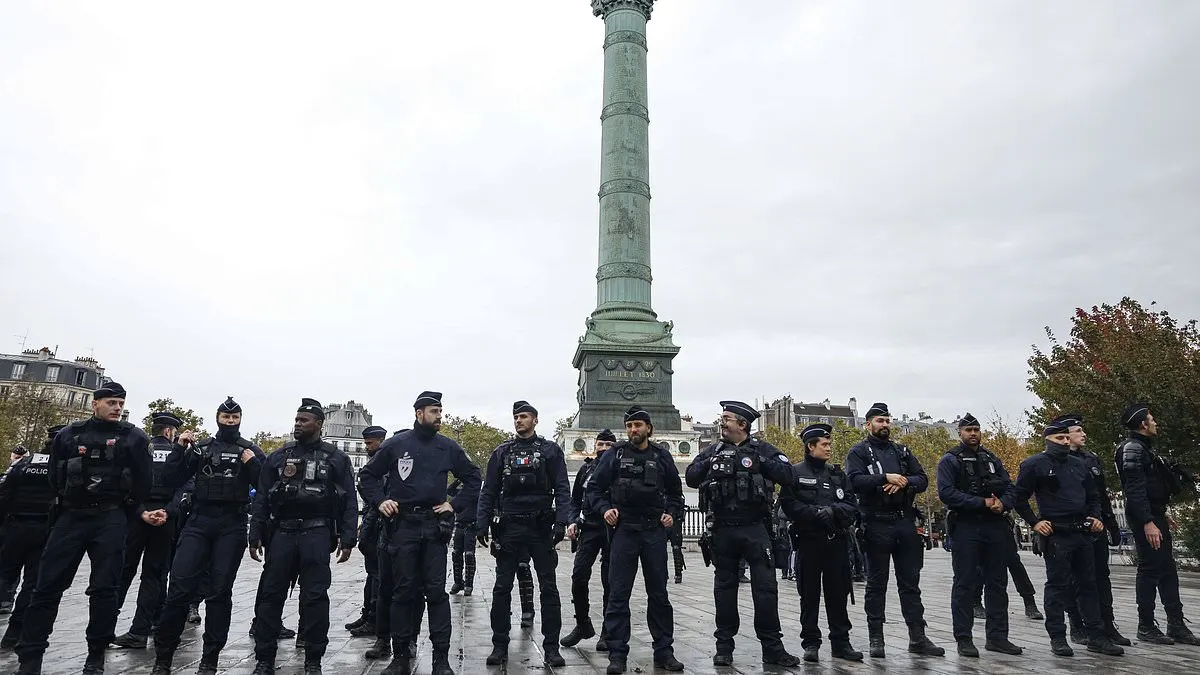
French police seized prohibited items and made arrests ahead of another day of protests, as authorities prepared for possible unrest across the country. The demonstrations have widened from concerns about school conditions to anger over living costs and the government, while police face criticism over both their handling of last weekend’s violence and tactics that have seriously injured teenagers.
President Emmanuel Macron said only demonstrations organised by recognised trade unions would be permitted, and several cities imposed bans. Even so, a gilets jaunes-linked website listed 500 protests and 200 other actions. In Orléans, where the hard-right Rassemblement National was holding a conference, up to 40,000 people were expected to protest and 3,000 police and gendarmes were deployed; 70,000 riot police were on duty nationally. Paris shopkeepers boarded up premises, major museums closed and a PSG match was postponed.
In short
- Police seized knives, gas masks and other prohibited items in Paris.
- France deployed 70,000 riot police amid expected demonstrations.
- Orléans prepared for a large protest near an RN conference.
Steelman: both sides, in good faith
The strongest fair case each way — we don't pick a winner.
The case for
Authorities can argue that restricting demonstrations to recognised trade unions and banning rallies in some cities is a proportionate response to credible fears of violence and damage. With large crowds expected, extensive police deployment and temporary closures may help protect residents, protesters, businesses and public services while allowing authorised marches to proceed.
The case against
Critics can argue that broad restrictions risk curtailing the right to peaceful protest, especially when demonstrations have grown from specific concerns into wider public grievances. They may also contend that prohibitions and heavy policing can deepen distrust, while criticism of tactics that have seriously injured teenagers calls for careful scrutiny and accountability.
Explained simply
The gilets jaunes, or “yellow vests”, began as a protest movement against fuel costs and grew into a wider expression of anger over the cost of living and government policy. France also has established trade unions, which organise demonstrations and represent workers.
Emmanuel Macron is France’s president, and the Rassemblement National is a major right-wing political party. Police and gendarmes are responsible for public order, but their tactics during earlier protests have drawn criticism, including after teenagers were seriously injured.
The protests matter because they bring together concerns about everyday costs, political decisions and the right to demonstrate. Clashes or heavy-handed policing can deepen tensions between protesters, authorities and communities.
Read the full article at the source →
Originally published by Daily Mail as “French police seize weapons and gas masks and make arrests as day of violent protests looming across the country”.