135 people arrested across France as police find potential weapons on protestors, official says
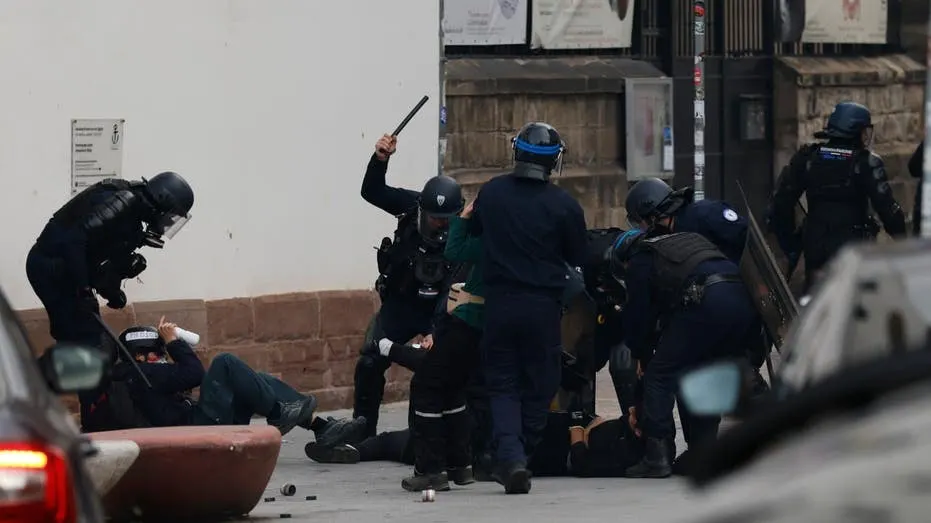
French authorities arrested 135 people as nationwide protests resumed, with officials saying police searches uncovered items that could be used as weapons, including fireworks and ball bearings. The arrests come amid concerns about unrest, as demonstrations have brought together people voicing grievances about public services, government spending and living costs.
In Paris, police reported more than 3,000 checks and 65 arrests while tens of thousands marched; shops were boarded up, museums closed and more than 20 Metro stations suspended service. Police used tear gas in several cities and a water cannon in Nice, while clashes were reported in Marseille and Lyon. Some 70,000 officers were deployed, following more than 2,700 arrests during protests the previous weekend.
In short
- France arrested 135 people as nationwide protests resumed.
- Paris police made 65 arrests after more than 3,000 checks.
- Demonstrations reflect grievances over schools, austerity and living costs.
Steelman: both sides, in good faith
The strongest fair case each way — we don't pick a winner.
The case for
Supporters of a firm police response argue that searches and arrests can reduce the risk of serious injury when protests involve items that could be used as weapons. With large crowds, reported clashes and disruption to public services and businesses, they say authorities have a duty to protect demonstrators, bystanders and workers while keeping routes and transport safe.
The case against
Critics argue that possessing fireworks or ball bearings does not by itself show an intention to use them violently, and that broad checks or arrests risk treating peaceful protesters as threats. They also contend that heavy deployments and force can chill the right to protest and distract from the grievances that brought people onto the streets; restrictions should therefore be targeted, necessary and proportionate.
Explained simply
France has a central government led by the president and prime minister, while public services such as transport and healthcare are largely funded through public spending. Protesters have raised concerns about the cost of living, government spending and the state of those services.
Large demonstrations are part of France’s political life, and nationwide protest days can disrupt transport, businesses and public events. Police deploy to manage crowds and make arrests when they suspect offences; items such as fireworks or ball bearings may be treated as potential weapons. These protests matter because they bring public grievances into the streets and can affect daily life across the country.
Business Europe Government Markets Politics World