Liz Truss insists her radical mini-Budget measures WOULD have worked
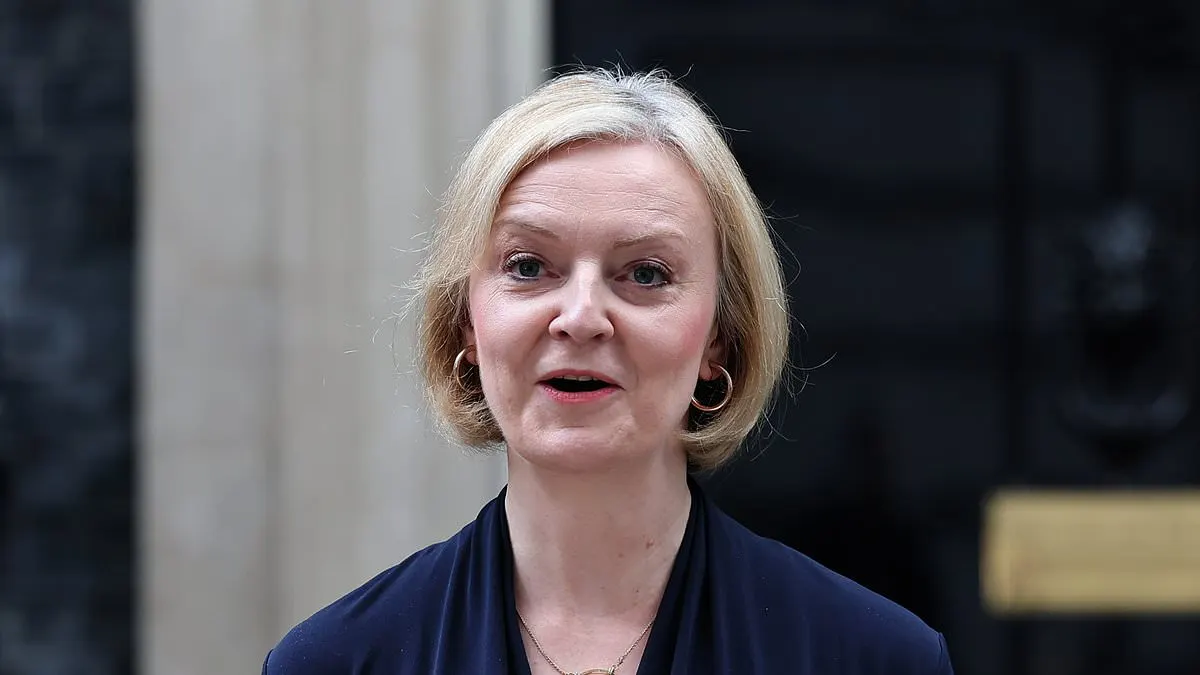
Liz Truss has defended her 2022 mini-Budget, arguing that its tax cuts would have left Britain’s public finances in better shape than they are now. In her new book, she blames the market turmoil that ended her 49-day premiership on the Bank of England and what she calls the financial establishment, while criticising the current government’s economic direction.
The mini-Budget included £45 billion in tax cuts, including a proposed reduction in the top income tax rate; bond yields rose and the pound fell after it was announced. Truss points to the 30-year government bond yield now exceeding 6 per cent as evidence of wider distrust, while the article says Chancellor John Healey is expected to make modest, targeted spending commitments funded partly by taxes on banks and reduced fiscal headroom. Former Bank of England chief economist Andy Haldane has warned that spending cuts are needed to avoid a similar crisis, while former minister Conor Burns sharply criticised Truss’s account.
In short
- Truss says her 2022 tax-cut plan would have improved public finances.
- She blames the Bank of England and establishment for the market turmoil.
- Andy Haldane warns that Britain’s fiscal position remains precarious.
Steelman: both sides, in good faith
The strongest fair case each way — we don't pick a winner.
The case for
Truss’s strongest case is that the mini-Budget aimed to raise growth by lowering taxes and encouraging investment, and that market panic and the Bank of England’s response helped turn a risky plan into a crisis. Today’s high bond yields, she argues, suggest that distrust of public finances extends beyond her premiership; a bolder growth strategy might have improved the debt outlook over time.
The case against
The strongest case against her account is that large, largely unfunded tax cuts weakened confidence in the government’s fiscal plans, contributing to the sharp fall in sterling and rise in borrowing costs. Higher yields today do not establish that the mini-Budget would have succeeded, and its rapid market reaction suggests that growth benefits were too uncertain to justify the immediate risks to public finances.
Explained simply
Liz Truss became prime minister in September 2022, during a period of high inflation and rising borrowing costs. Her government announced a package of tax cuts, known as the mini-Budget, without setting out how all the lost tax revenue would be covered.
Investors reacted by selling government bonds, pushing up the cost of government borrowing, while the pound fell. The Bank of England intervened to steady the bond market, and Truss left office after 49 days. Her account has renewed debate about the causes of the turmoil and how much room the government has to cut taxes or increase spending.