Why the charts are full of old songs – and so are your playlists
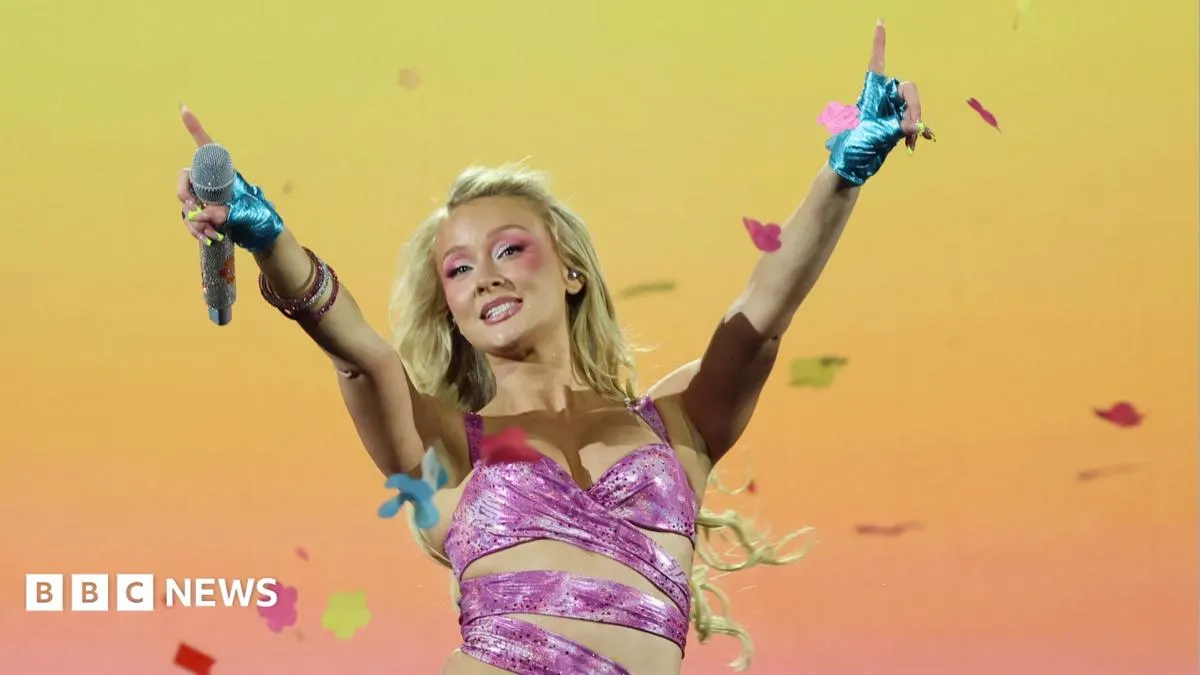
Streaming has made an enormous catalogue of music instantly available, but listeners are increasingly choosing older songs over new releases. That shift matters because artists may find it harder to build lasting careers when audiences gather around familiar hits or viral tracks rather than following musicians’ wider work.
In the first half of 2026, around 60% of streams in the UK and US were for music released at least five years earlier. In the UK, 18 of the year’s 20 best-selling songs were released at least a year ago, including Zara Larsson’s 2015 hit “Lush Life”; “Rein Me In” by Sam Fender and Olivia Dean spent a record 23 non-consecutive weeks at number one. The article also points to concentrated listening, with nearly two thirds of UK streams going to music by the top 0.4% of artists, and describes efforts by services and grassroots music groups to promote emerging musicians.
In short
- Older music accounts for about 60% of streams.
- UK best-sellers are largely songs released over a year ago.
- Industry groups are trying to give emerging artists more attention.
Steelman: both sides, in good faith
The strongest fair case each way — we don't pick a winner.
The case for
The popularity of older songs reflects listeners’ freedom to choose from a vast catalogue and to return to music they enjoy, rather than treating new releases as an obligation. Familiar tracks can offer lasting pleasure and cultural connection, while streaming services and grassroots groups can still help new artists find audiences.
The case against
When streams and attention cluster around established hits and a small share of artists, emerging musicians may struggle to be discovered and to build audiences for work beyond a viral track. If listeners mainly revisit familiar music, artists may have fewer opportunities to develop sustained careers, making active promotion of new music important to a varied musical culture.
Explained simply
Streaming services make vast catalogues of music available on demand, so listeners can easily return to songs they already know. Older tracks can also find new audiences when they are shared online or added to playlists, while viral attention may bring listeners to a single song without introducing them to an artist’s wider work.
The shift matters to musicians trying to build a career, especially those starting out: they need listeners to discover and keep exploring their music. Streaming services and grassroots music groups are among those trying to direct more attention to emerging artists.
Art Culture Entertainment Music TV