Charles faces reparations debate during Caribbean tour amid republican calls
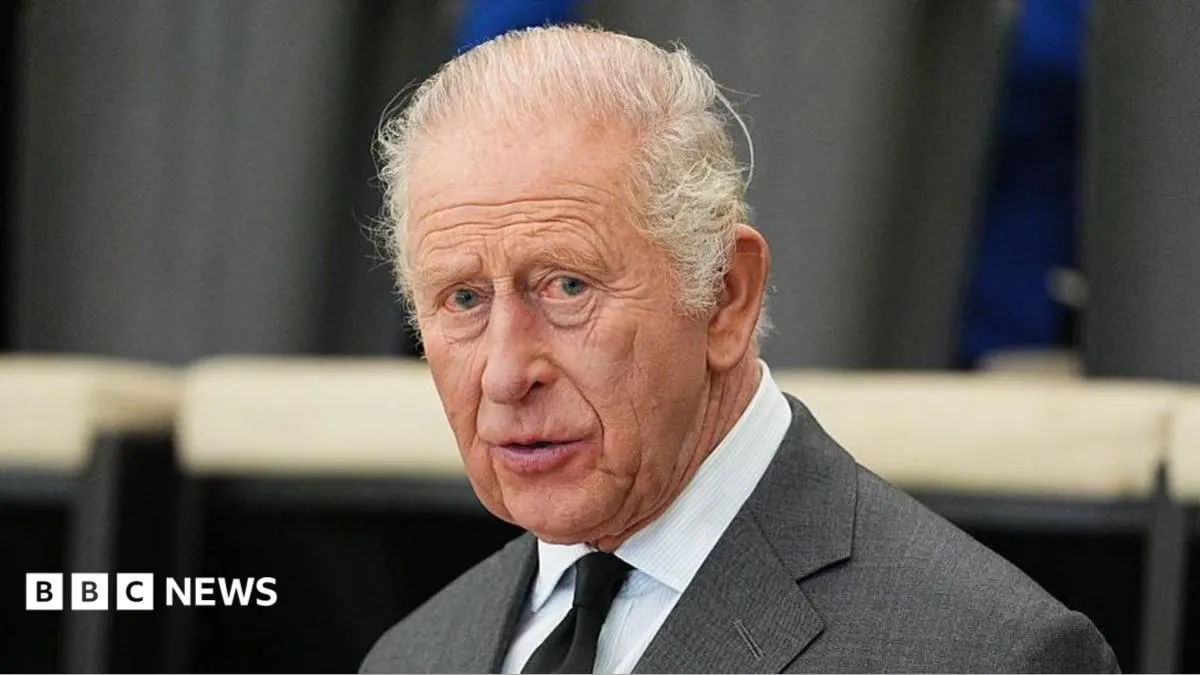
King Charles III’s nine-day Caribbean tour begins on Tuesday, taking him to the Bahamas, Guyana and Antigua and Barbuda, where he will attend the Commonwealth Heads of Government Meeting. The visit places him amid debate over reparations for slavery, whether Britain should apologise for its role in the transatlantic slave trade, and support for republicanism in some countries. A historian called it the biggest risk of the King’s reign so far because the monarchy’s moral standing is being questioned.
The King is due to make three major speeches and, following government advice, will not issue an official apology; a royal aide said apologies and reparations are for the government to decide. Buckingham Palace says the programme will acknowledge past wrongs, while protests are expected and included in security planning. Leaders in all three countries support reparatory justice, and there is significant support for becoming a republic in the Bahamas and Antigua and Barbuda. The article also notes that a 2022 royal tour drew criticism over its imagery and had part of its schedule cancelled after protests.
In short
- Charles’s Caribbean visit puts slavery reparations and apology debates in focus.
- He will make three speeches but no official apology is planned.
- Republican sentiment and protests add uncertainty to the nine-day tour.
Steelman: both sides, in good faith
The strongest fair case each way — we don't pick a winner.
The case for
Supporters of reparations argue that slavery was a grave injustice whose consequences persist, and that Britain should acknowledge its role through a sincere apology and meaningful reparatory measures. They see the tour as an opportunity for the monarchy to recognise this history and for Caribbean countries to decide their own constitutional futures, including whether to become republics.
The case against
Those cautious about an apology or reparations argue that these are complex matters for elected governments to assess, including questions of responsibility, form and practical consequences; the monarch should not make commitments on their behalf. They may favour acknowledging historical wrongs while maintaining the constitutional relationship where it retains public support, and argue that any decision to become a republic should be made through each country's own democratic process.
Explained simply
The Caribbean was central to Britain’s colonial empire and the transatlantic slave trade, in which millions of Africans were forcibly taken to the Americas and Caribbean and enslaved. The legacy of slavery remains part of debate in the region, including calls for reparations—measures intended to address its lasting effects—and for Britain to apologise.
Charles is King of the United Kingdom and head of state in several Caribbean countries, including the Bahamas and Antigua and Barbuda. In those countries, republican movements want to replace the monarch as head of state; Guyana is already a republic.
The Commonwealth is a voluntary association of countries, many with historical ties to the British Empire. Its leaders meet to discuss shared issues, while questions about slavery, reparatory justice and the monarchy shape how some member countries view those ties today.
Read the full article at the source →
Originally published by BBC World as “Why the King’s Caribbean tour could be ‘biggest risk of his reign’”.