Nadia Sawalha challenges ITV over Loose Women departure and Palestine support
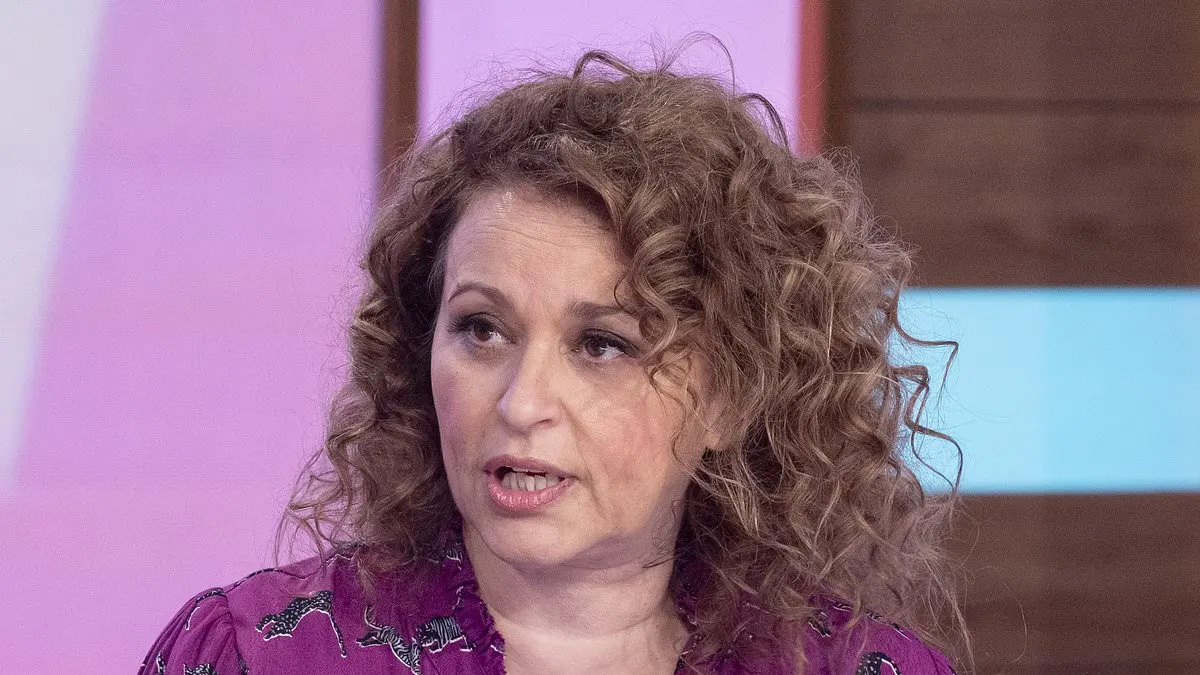
Nadia Sawalha says she is taking ITV to court after being dropped from Loose Women, alleging the decision was unlawful and linked to her support for Palestine. The dispute raises questions about workplace equality and whether presenters can face discrimination over lawful political beliefs.
Sawalha said she had left the programme four weeks earlier and described the dispute as “a mountain of tension”. Her lawyers allege direct and indirect discrimination and harassment over her anti-Zionist beliefs, which they say are protected under the Equality Act 2010; they want an apology and assurances about future work. ITV says it has received and answered a legal letter but is not aware of court action. Sawalha joined Loose Women at its launch in 1999, left in 2002 and returned in 2013.
In short
- Nadia Sawalha says she is taking ITV to court after leaving Loose Women.
- Her lawyers allege discrimination over her protected beliefs.
- ITV says it has answered a legal letter but knows of no court action.
Steelman: both sides, in good faith
The strongest fair case each way — we don't pick a winner.
The case for
If Sawalha’s account is supported by evidence, dropping her because of lawful anti-Zionist beliefs could amount to unfair discrimination and undermine protections for political or philosophical convictions at work. A presenter should not have to conceal a protected belief to keep her role, and seeking legal redress could clarify employers’ obligations.
The case against
ITV may argue that programme staffing decisions can be made for legitimate editorial or business reasons, and that a departure does not by itself show discrimination. It may also dispute whether the beliefs described meet the legal test for protection or whether they caused the decision, while stressing that it has responded to the legal letter and is not aware of court action.
Explained simply
Loose Women is a daytime ITV discussion programme in which presenters talk about current affairs and personal experiences. Nadia Sawalha joined when it began in 1999, left in 2002 and returned in 2013.
The dispute centres on whether beliefs or political views played a part in a presenter’s treatment at work. The Equality Act 2010 protects people from discrimination on certain grounds, including some beliefs, though whether a particular belief qualifies and how the law applies depend on the circumstances.
Read the full article at the source →
Originally published by Daily Mail as “Nadia Sawalha sues ITV after being axed from Loose Women over pro-Palestine views”.