Former IDF chief Gadi Eisenkot emerges as Netanyahu’s leading election challenger
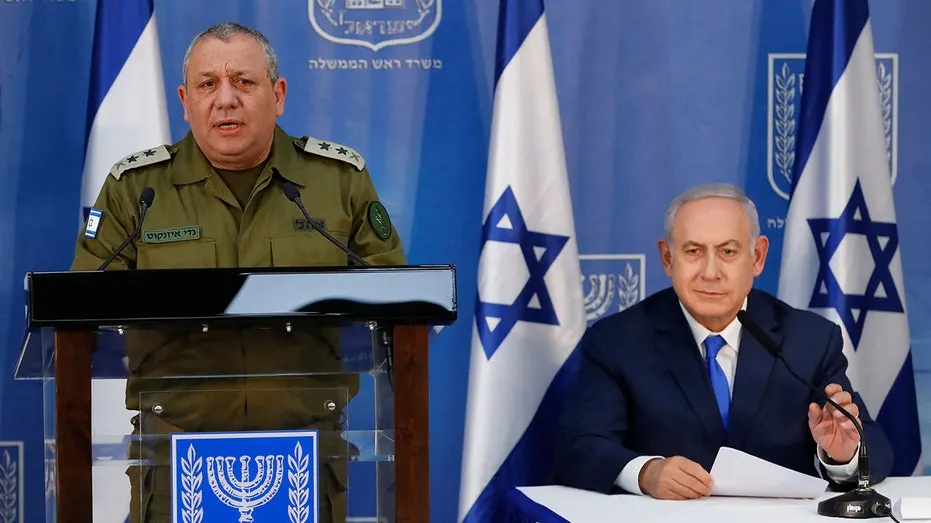
Former IDF chief Gadi Eisenkot has emerged as Benjamin Netanyahu’s leading challenger ahead of Israel’s 27 October election, with polls cited in the article giving his centrist Yashar party a narrow lead over Likud. Either party would need to assemble a coalition of at least 61 seats to govern. Eisenkot’s military background and reputation for modesty may appeal to voters, though his record also faces scrutiny.
Eisenkot, 66, served as IDF chief of staff from 2015 to 2019 and joined Netanyahu’s war cabinet after Hamas’s 7 October 2023 attack. He resigned eight months later, saying Netanyahu had failed to set a comprehensive strategy; his son and two nephews were killed in the war. A military historian quoted in the article says Eisenkot bears responsibility for decisions made before the 7 October attack, despite the army’s later military successes.
In short
- Gadi Eisenkot’s Yashar party has a narrow polling lead over Likud.
- Either party needs 61 seats to form a governing coalition.
- Eisenkot’s military record includes both achievements and criticism over 7 October.
Steelman: both sides, in good faith
The strongest fair case each way — we don't pick a winner.
The case for
Eisenkot’s military experience, wartime service and reputation for modesty could make him a credible alternative to Netanyahu, while his departure from the war cabinet over the lack of a comprehensive strategy suggests he is willing to challenge the government’s direction. Supporters may argue that a change in leadership offers a chance to set clearer priorities and rebuild public confidence.
The case against
Voters may reasonably question whether Eisenkot’s record in senior military leadership equips him to govern, particularly given criticism that he shares responsibility for decisions made before the 7 October attack. His military reputation and personal loss do not by themselves establish that he can build a governing coalition or offer better policies than Netanyahu.
Explained simply
Israel’s parliament has 120 seats, and a party needs support from at least 61 lawmakers to form a government. Since no party typically wins a majority on its own, the largest parties must negotiate with smaller parties to build a governing coalition.
Benjamin Netanyahu leads Likud, a major right-wing party, and has been Israel’s prime minister for much of the past two decades. Gadi Eisenkot is a former chief of staff of the Israel Defense Forces, Israel’s military, and served in Netanyahu’s war cabinet after the Hamas-led attacks of 7 October 2023.
Eisenkot later left the war cabinet, criticising the lack of a comprehensive strategy. His military record includes decisions made before the 7 October attack as well as service during the subsequent war, and voters may weigh both when considering his bid for office.
Elections Middle East Politics World