Cuba spent decades recruiting American spies. Now Washington is turning the tables on Havana
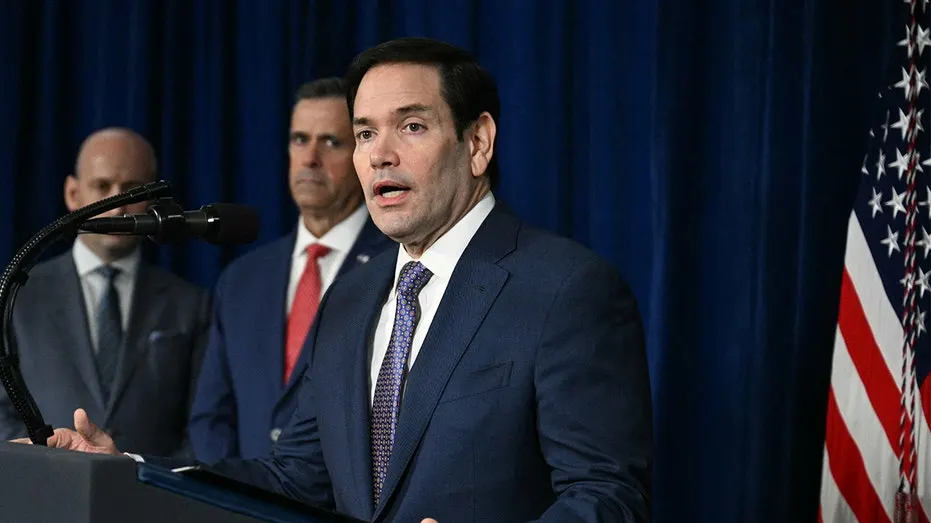
The article argues that Cuba’s record of recruiting Americans as spies makes it a continuing national security threat, despite its economic crisis. It backs Secretary of State Marco Rubio’s invitation for Cubans to cooperate with the CIA, framing it as a way to challenge Havana’s intelligence operations and put pressure on the regime.
It cites former Pentagon analyst Ana Belén Montes, former US ambassador Victor Manuel Rocha and the Myers couple as examples of Americans who spied for Cuba. It also points to the Wasp Network’s infiltration of exile groups and military facilities, including its connection to the 1996 destruction of two aircraft, in which four people died. The author says any intelligence offered by prospective sources must be carefully verified and that reliable sources should be protected.
In short
- Cuba’s economic crisis does not rule out an effective spy service.
- The article backs Rubio’s invitation for Cubans to approach the CIA.
- It calls for careful checks to ensure sources and intelligence are reliable.
Steelman: both sides, in good faith
The strongest fair case each way — we don't pick a winner.
The case for
Cuba’s history of recruiting American spies and infiltrating exile groups shows that its intelligence services can pose a real security risk even while the country faces economic hardship. Inviting Cubans to share information with the CIA could help protect US interests, expose current operations and give people inside the system a way to challenge a government they oppose, provided their claims are checked and sources protected.
The case against
A public recruitment appeal could heighten tensions and encourage covert escalation without clear evidence that it will produce reliable intelligence or improve security. Given the risks to informants and the history of politicised US policy towards Cuba, critics could argue that Washington should prioritise careful, accountable intelligence work and diplomacy over a move that may endanger individuals or deepen hostility.
Explained simply
Cuba and the United States have long conducted intelligence operations against each other, including efforts to recruit people with access to government or military information. Ana Belén Montes, a former US defence analyst, and Victor Manuel Rocha, a former US ambassador, were among Americans convicted of spying for Cuba.
Cuban agents have also infiltrated groups of Cuban exiles in the United States. In 1996, two aircraft were destroyed, killing four people; the incident was linked to members of the Wasp Network, a Cuban spy network that had penetrated exile groups and military facilities.
The issue matters because intelligence gathered by recruited sources can affect national security and relations between the two countries. Any information offered to US agencies needs careful checking, and sources may need protection.