Gabon lifts social media suspension after eight months amid criticism
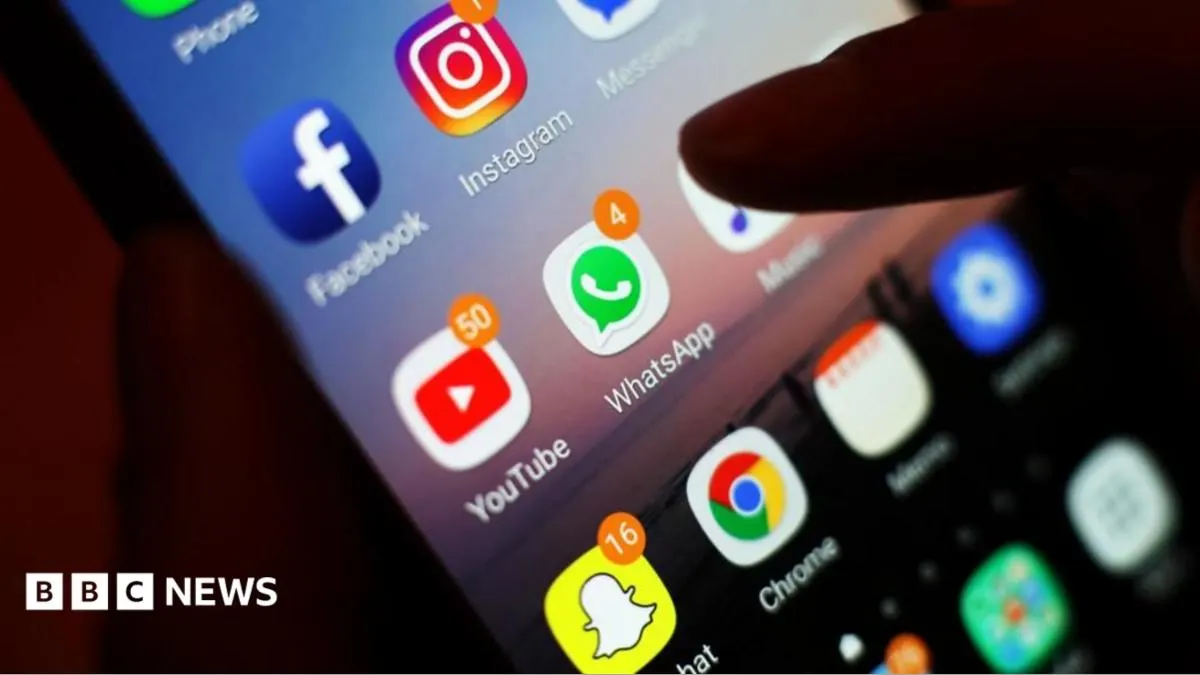
Gabon’s media regulator says social media access has been restored, ending a suspension imposed eight months ago. The ban drew widespread criticism, with opponents calling it an abuse of power, and its reversal comes amid debate over online freedoms and the government’s handling of dissent.
The High Communication Authority introduced the ban on 17 February, saying online content fuelled conflict and division. In the country of about 2.5 million people, platforms including Facebook, TikTok, YouTube and Instagram are popular with young people for business and leisure; many used VPNs to get around the restriction. The ban began as President Brice Oligui Nguema faced strikes by teachers and civil servants over pay and working conditions. Nguema won more than 90% of the vote last year, two years after a coup ended more than five decades of rule by the Bongo family.
In short
- Gabon says social media access has been restored.
- The suspension lasted eight months.
- Many users relied on VPNs to stay connected.
Steelman: both sides, in good faith
The strongest fair case each way — we don't pick a winner.
The case for
The government could argue that restricting social media was a temporary way to limit content it believed might inflame conflict and division during a period of strikes and political change. Protecting public order and preventing online disputes from escalating are legitimate concerns, particularly if officials saw no less disruptive measure as effective.
The case against
Critics could argue that a nationwide, months-long suspension was a disproportionate response that restricted communication, access to information and online livelihoods, especially for young people and businesses relying on these platforms. Imposed as strikes were under way, the ban also risked suppressing dissent and weakening scrutiny of the government rather than addressing the underlying grievances.
Explained simply
Social media is widely used in Gabon, including by young people for keeping in touch, entertainment and business. Facebook, TikTok, YouTube and Instagram are among the popular platforms, and some people used virtual private networks, or VPNs, to reach them during the suspension.
The restriction was introduced by the High Communication Authority, Gabon’s media regulator, which said online content could fuel conflict and division. It came as teachers and civil servants were striking over pay and working conditions, and prompted criticism from opponents who said it curtailed online freedoms.
President Brice Oligui Nguema came to power after a 2023 coup ended more than five decades of rule by the Bongo family. He later won more than 90% of the vote in an election, and debates over online access form part of wider discussion about dissent and government authority in Gabon.
Read the full article at the source →
Originally published by BBC World as “Gabon says access to social media restored after eight-month ban”.