Tories and banks believe Healey’s ‘boring Budget’ could signal early election
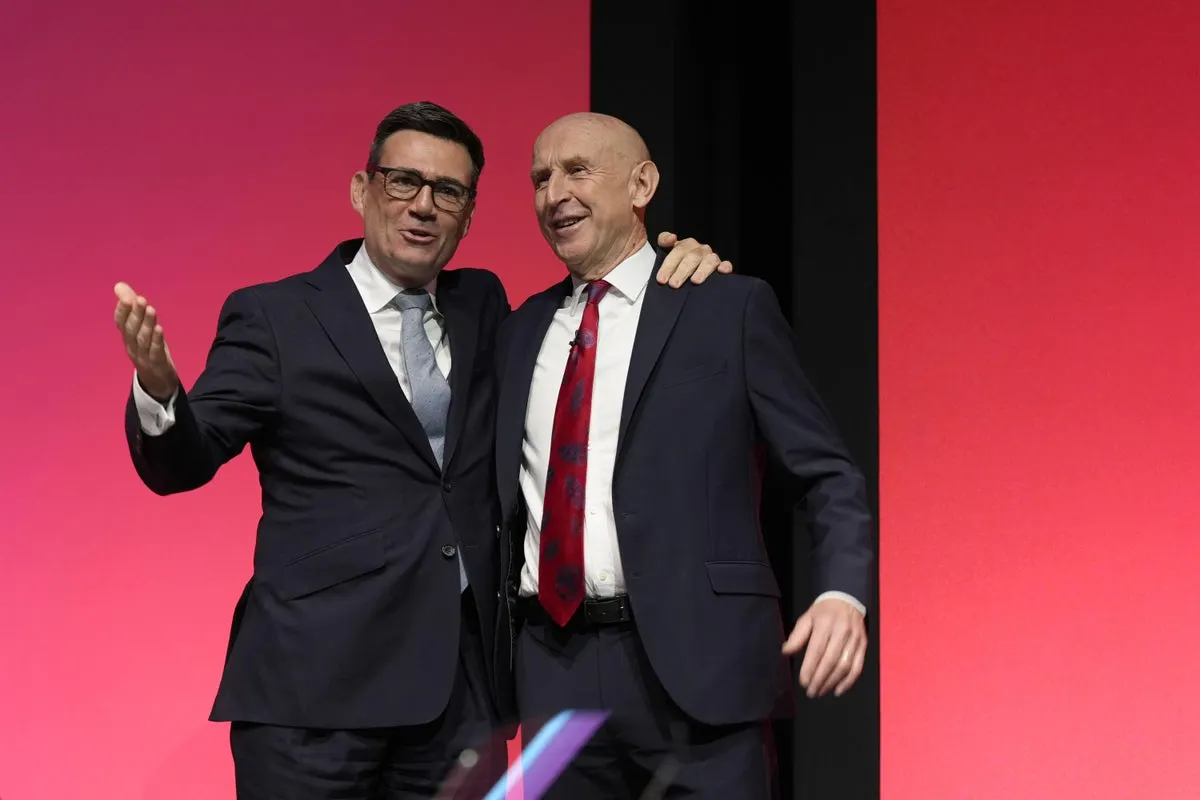
Opposition parties and financial institutions are preparing for the possibility of an early UK election, which they believe could follow a restrained Budget from Chancellor John Healey. The speculation has grown after a poll showed Labour with a sizeable lead, although Prime Minister Keir Starmer has publicly denied plans for an early vote.
The Budget is expected to limit changes, while potentially raising the tax rate on bank profits from 3 per cent to as much as 8 per cent, offering help with energy bills and fuel duty, and funding plans to tackle rough sleeping. Healey is reported to have rejected a capital gains tax rise and is expected to require government departments to absorb some public sector pay costs. Labour polled at 32 per cent, eight points ahead of the Conservatives; ING says the prospect of an early election is being underpriced.
In short
- A modest Budget is fuelling speculation about an early election.
- Labour leads the Conservatives by eight points in an Ipsos poll.
- Banks could face a rise in their profits tax from 3 to 8 per cent.
Steelman: both sides, in good faith
The strongest fair case each way — we don't pick a winner.
The case for
A restrained Budget could give voters a clear account of Labour’s priorities while avoiding disruptive tax changes, and an early election would let the government seek a mandate while its polling position is strong. Targeted help with energy bills and rough sleeping, alongside asking departments to absorb pay costs, could be presented as balancing immediate needs with fiscal restraint.
The case against
Calling an early election after a sizeable poll lead could look like a tactical bid to secure power before economic conditions or public opinion change, rather than a necessary test of confidence. A supposedly restrained Budget may also leave unresolved pressures on public services and household costs, while a sharp increase in bank taxes could affect investment or be passed on to customers.
Explained simply
A Budget is the government’s plan for taxes and public spending, set out by the Chancellor. John Healey is the Chancellor in this story, and Keir Starmer is the Prime Minister; Labour and the Conservatives are the UK’s two largest political parties.
A general election decides which party forms the government. The next election does not have to be held early, and Starmer has said he is not planning one, but a strong poll showing for Labour has prompted opponents and financial institutions to consider the possibility.
The reported Budget plans include possible changes to tax on bank profits, help with energy bills and fuel duty, and spending to address rough sleeping. Its choices matter to people and businesses because they affect taxes, public services and household costs.