The internet needs IPv6 and so does your home network
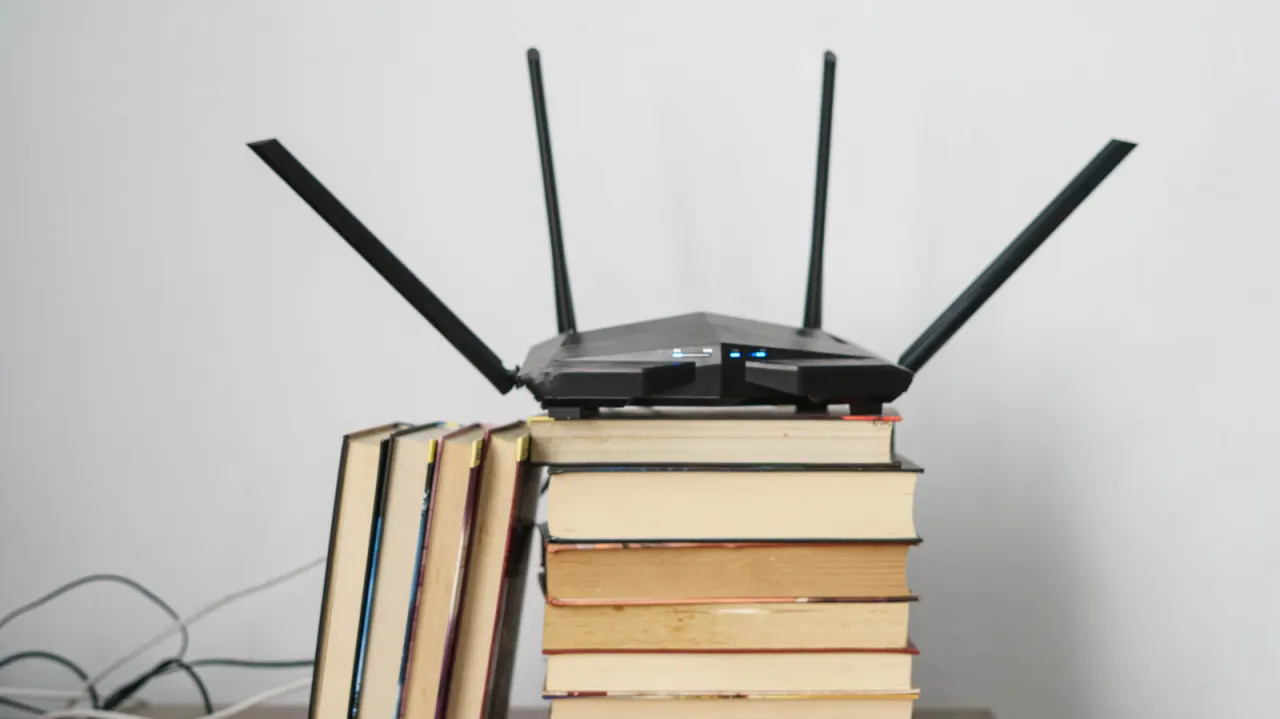
IPv4 addresses were exhausted as the internet grew, so home routers and internet providers use address sharing to connect many devices through fewer public addresses. IPv6 provides a vastly larger pool and can give each device its own address, which may help with connections that struggle when network address translation gets in the way.
IPv4 has 32-bit addresses and its final blocks were allocated in 2011; IPv6 uses 128-bit addresses and was standardised in 1995. Google measured IPv6 use at just under 51 per cent on 17 October 2026, up from about 33 per cent in 2020, though adoption varies widely by country. Most modern routers support both systems, but enabling IPv6 will not make Wi-Fi faster, and the article says there is no compelling reason to change a working network.
In short
- IPv6 addresses ease pressure on the exhausted IPv4 system.
- Google says just under 51% of users connect via IPv6.
- IPv6 may help some gaming and smart-home connections.
Steelman: both sides, in good faith
The strongest fair case each way — we don't pick a winner.
The case for
Wider IPv6 adoption would ease dependence on scarce IPv4 addresses and the address sharing that can complicate some connections. Since most modern routers support it, enabling IPv6 may help devices and services that work better with direct addressing, while supporting the internet’s gradual transition to a larger address space.
The case against
For a household whose network works well, switching on IPv6 offers no promised speed improvement and may bring little noticeable benefit. Adoption remains uneven, so IPv4 support is still needed; waiting can be a reasonable choice if the provider or router setup is unclear or the change risks disrupting a reliable network.
Explained simply
Every device that connects to the internet needs an address so data can reach it. The older system, IPv4, has a limited supply of addresses, and the last blocks were allocated in 2011.
To cope, internet providers and home routers often share one public IPv4 address among several devices. IPv6 is a newer system with a much larger supply of addresses, which can let devices have their own; this may help some connections that work less smoothly when addresses are shared.
Many modern routers support both systems, but use of IPv6 varies between countries. Switching it on will not make Wi-Fi faster, and a working home network does not necessarily need changing.