6 Hilarious ‘Calvin and Hobbes’ Comics Where Calvin is a Weird Little Genius
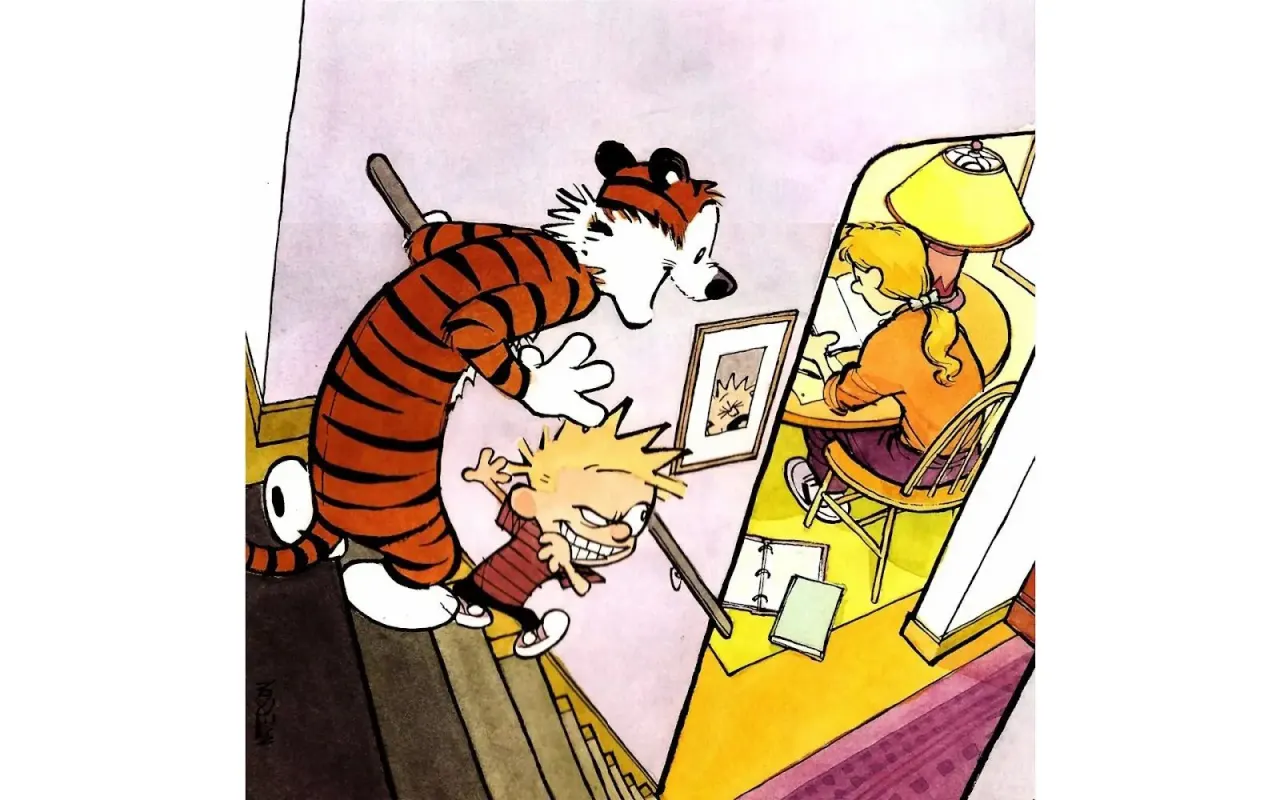
A feature revisits how Calvin’s unusually grand vocabulary became a recurring joke in Bill Watterson’s comic strip, and argues that its influence can be heard in later comedy writing. The piece selects six strips to show how elevated language gives ordinary childhood situations a comic twist.
The examples include Calvin boasting about a snow fort before Hobbes pelts him with a snowball, arguing with his father about censorship, and explaining a poor art grade as society’s failure to understand his work. Other strips use words such as “psychosomatic” and give Calvin startlingly adult lines about his father’s life. The article links this humour to Watterson’s playful use of language and the strip’s broader influence on creators who grew up reading it.
In short
- Calvin’s oversized vocabulary is a running joke in the comic.
- Six strips show grand words applied to childhood disputes.
- The article argues the humour influenced later comedy writers.
Explained simply
Calvin and Hobbes is a comic strip by American cartoonist Bill Watterson, centred on Calvin, an imaginative and often mischievous boy, and Hobbes, his toy tiger, who appears alive in Calvin’s eyes. The strip often turns everyday childhood moments, including schoolwork and family disagreements, into flights of imagination.
Calvin’s elaborate vocabulary is part of the humour: he uses grown-up words and arguments in situations where they seem out of place. The strip became widely read, and its mix of wordplay, imagination and satire has been an influence on later cartoonists and comedy writers.
Americas Offbeat Weird & Viral