Deeply divided Israel braces for pivotal election
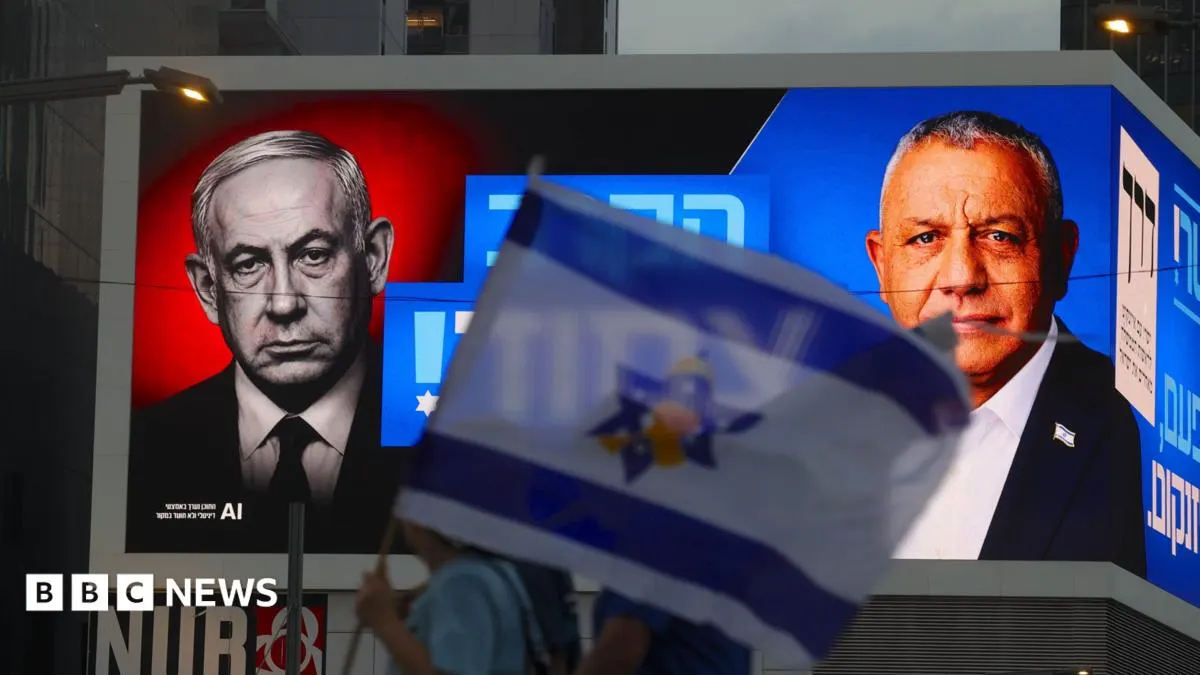
Israel faces a closely contested general election after three years of regional war, with polls showing the governing coalition and opposition bloc nearly level. The result could shape the country’s political identity and direction, including debates over democracy, security and the role of religion.
Former military chief Gadi Eisenkot and his centrist Yashar party have recently polled ahead of Prime Minister Benjamin Netanyahu’s Likud, though Israel’s coalition system means no single party is expected to govern alone. About 500,000 first-time voters are expected to take part, while some 70,000 Israelis reportedly plan to return from abroad to vote. The opposition is calling for an independent inquiry into the 7 October 2023 attacks, which a survey found is supported by more than 70% of Jewish Israelis.
In short
- Israel’s election is expected to be close.
- Gadi Eisenkot has gained ground in polls.
- The campaign centres on Israel’s future and accountability.
Steelman: both sides, in good faith
The strongest fair case each way — we don't pick a winner.
The case for
Supporters of a change in government argue that after years of war and the failures exposed by the 7 October attacks, Israel needs new leadership and an independent inquiry to restore public trust. A centrist government could seek a broader political consensus on security, democratic institutions and religion’s role in public life.
The case against
Supporters of Netanyahu and the governing coalition argue that wartime leadership should be judged on its ability to protect the country and secure its interests, not displaced amid continuing regional threats. They may see Likud’s experience and the coalition’s political mandate as important for stability, while cautioning that an inquiry or change in direction should not undermine security or deepen divisions.
Elections Middle East Politics World