Unsupported Nest thermostats still work, but smart features are lost
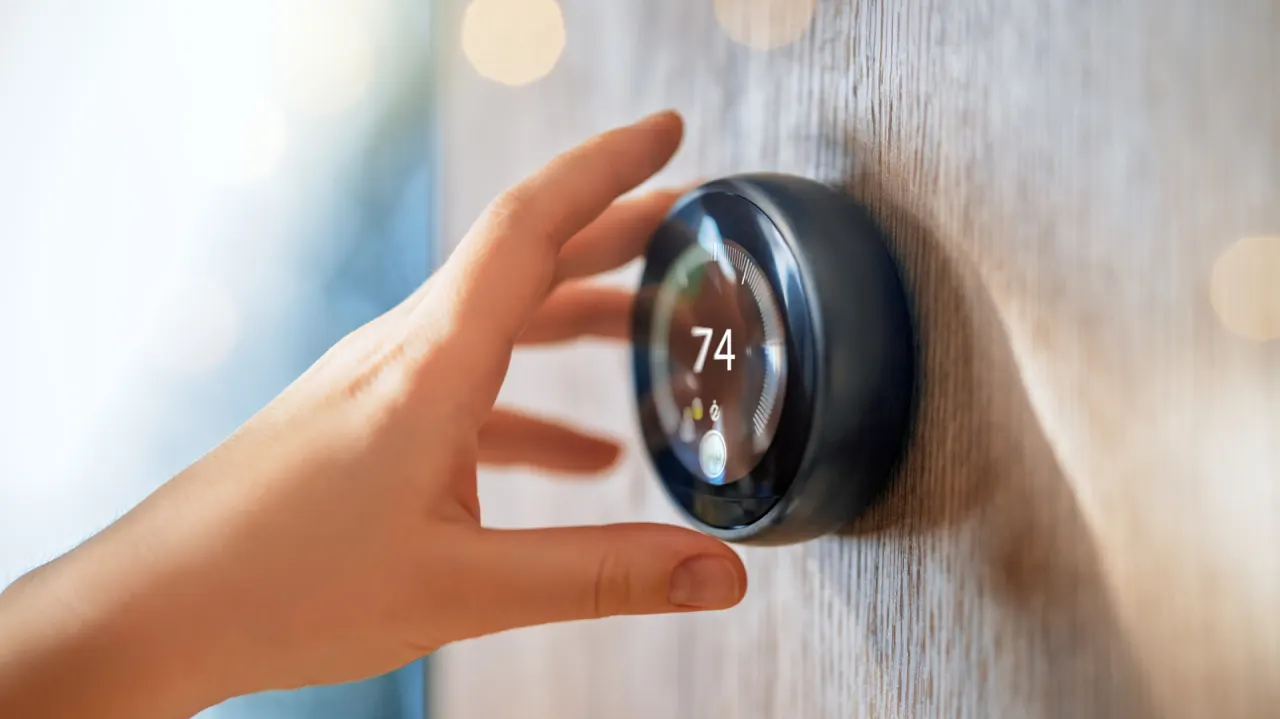
Google ended support in October 2025 for first and second-generation Nest Learning Thermostats, prompting criticism because thermostats are long-lived household fixtures. The devices still work manually, including their built-in schedules, but have lost connections to Google’s apps and accessories and no longer receive updates.
Owners can try the free, open-source No Longer Evil project to restore some smart features using custom firmware, though installation carries a risk of permanently bricking the thermostat. Other options include Google’s free recycling programme or replacing the device; a factory reset is advised before recycling. A new thermostat may help cut energy use through features such as occupancy detection and weather data, while energy-provider rebates can reduce the cost.
In short
- Older Nest thermostats still work manually.
- Custom firmware may restore smart features but could brick the device.
- Recycling, built-in schedules or a rebated replacement are alternatives.
Steelman: both sides, in good faith
The strongest fair case each way — we don't pick a winner.
The case for
Ending support can be defended as a way to concentrate engineering and security resources on current products, rather than maintain ageing devices indefinitely. Owners can still use the thermostats manually, and Google offers recycling; replacement models may also provide newer energy-saving features, with rebates sometimes easing the cost.
The case against
Thermostats are durable household fixtures, so ending app connectivity and updates can make a working device substantially less useful well before it wears out. Owners may reasonably see this as premature obsolescence that shifts replacement costs and electronic waste onto them, while community firmware is an uncertain, potentially damaging workaround.
Explained simply
Nest Learning Thermostats are devices that control a home’s heating and learn from residents’ routines. Google made them in several generations, and older models may remain in use for years because thermostats are usually fixed household equipment.
Google provides the software and online services that connect the thermostats to its apps and accessories. When support ends, the basic heating controls and built-in schedules can still work, but remote control, connected features and software updates may stop.
Owners can keep using the thermostat manually, try community-made software, recycle it or replace it. The choice matters because installing unofficial software can damage a device, while replacement costs money; some energy providers offer rebates, and newer models may include features designed to reduce energy use.
Read the full article at the source →
Originally published by Engadget as “Don’t throw away your old, unsupported Nest gadgets — Do this instead”.