Nina Simone hated the box music critics kept putting her in. She called it “racist”
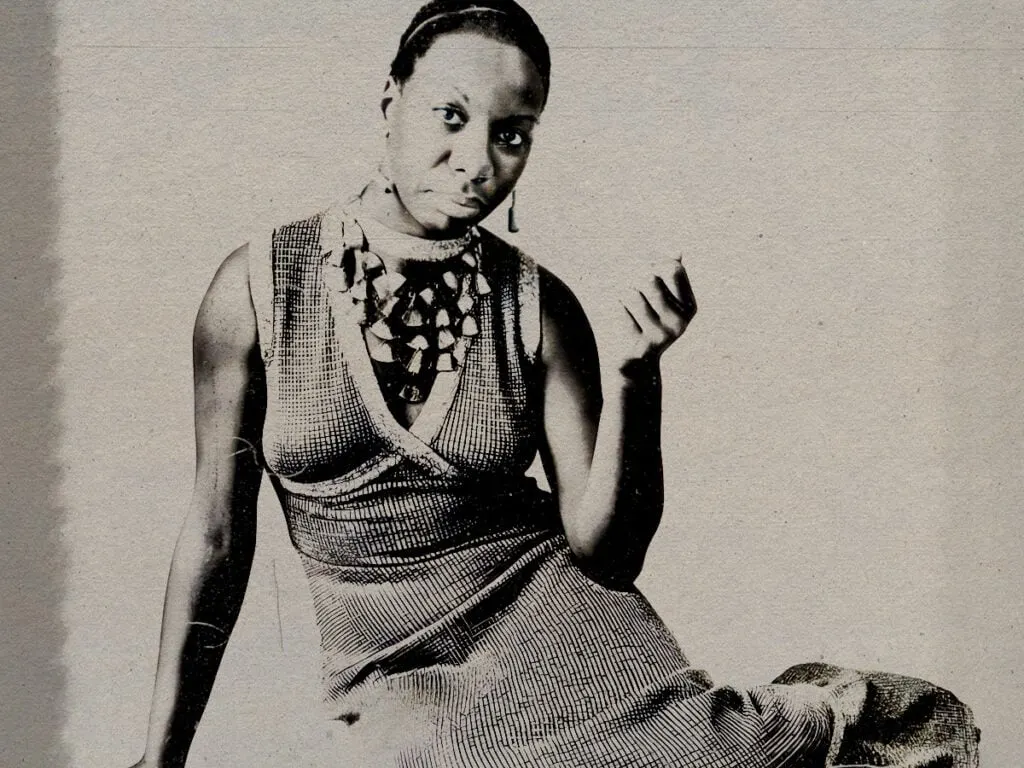
Nina Simone objected to critics describing her simply as a jazz singer, saying the label reflected racist assumptions about what a Black performer should be. The article argues that this categorisation obscured her broad musical work and echoed the prejudice that had already limited her classical ambitions.
Simone trained as a classical pianist and hoped to pursue a career in classical music, but industry racism blocked that path. She went on to work across classical, jazz, soul, blues, folk and other styles; in 1964, her recording of ‘Don’t Let Me Be Misunderstood’ also came to resonate with the civil rights movement. Simone described Black classical music as a combination of gospel, pop, love songs and political songs.
In short
- Simone called the “jazz singer” label racist.
- She worked across many musical traditions.
- Racism had already hindered her classical career.
Steelman: both sides, in good faith
The strongest fair case each way — we don't pick a winner.
The case for
Simone’s objection can be understood as a challenge to a label that narrowed both her music and her artistic identity. Given her classical training, wide-ranging repertoire and the barriers she faced in pursuing classical work, describing her simply as a jazz singer could reflect racial expectations about which genres Black musicians belonged in and erase the range of her achievement.
The case against
Critics could reasonably use “jazz singer” as a familiar shorthand for a prominent part of Simone’s work, without intending to deny her classical training or her range across genres. Genre labels can help audiences and reviewers describe music, and the fact that a label is incomplete does not by itself show that every critic using it was acting from racist assumptions.
Explained simply
Nina Simone was an American musician who trained as a classical pianist and hoped to make her career in classical music. Racism in the music industry limited those opportunities, so she built a career recording and performing across many styles, including jazz, soul, blues and folk.
Music critics often called Simone a jazz singer, a label she rejected because she felt it reduced her work and reflected assumptions about Black performers. She described Black classical music as drawing on gospel, pop, love songs and political songs. Her music also became connected with the civil rights movement, including her 1964 recording of “Don’t Let Me Be Misunderstood”.