NFL’s French national anthem performer Nina Tonji alters words to La Marseillaise, sparking outrage in France
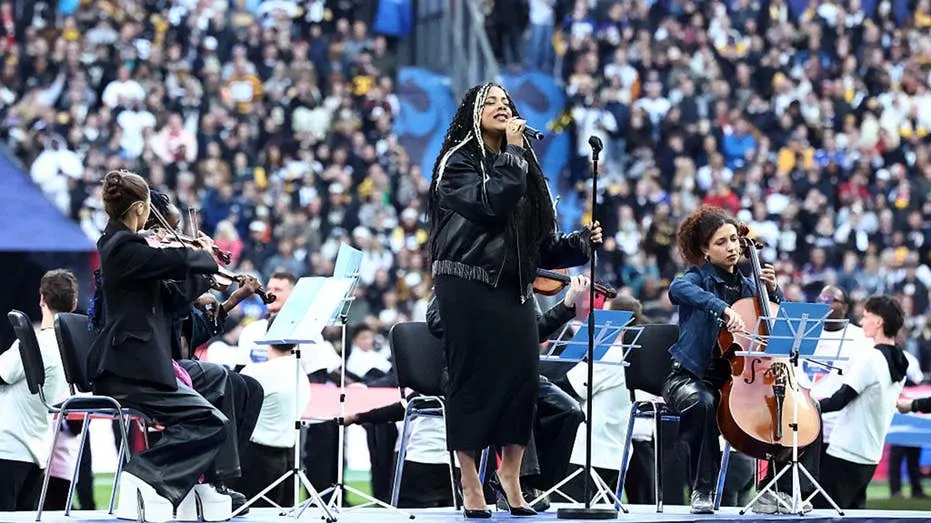
Nina Tonji changed a line in France’s national anthem, La Marseillaise, while performing before an NFL game in Paris, replacing a word meaning “impure” with one meaning “united”. The change drew a wave of online criticism, amid heightened debate in France over immigration and recent unrest; it matters because the lyric carries revolutionary associations and the alteration gave it a more inclusive meaning.
The performance took place before the Pittsburgh Steelers played the New Orleans Saints at the Stade de France. Tonji’s version changed “May impure blood water our furrows” to “May united blood water our furrows”, shifting the line from a reference to enemies and traitors towards national unity. Posts highlighting the change reached audiences of up to 2.7 million, and many replies called it disrespectful, while some accepted the rewording.
In short
- Nina Tonji changed a key line in La Marseillaise before an NFL game in Paris.
- The wording shifted from “impure” blood to “united” blood.
- The alteration drew widespread online criticism amid debate over immigration.
Steelman: both sides, in good faith
The strongest fair case each way — we don't pick a winner.
The case for
Supporters could see “united” as a fitting adaptation of a revolutionary anthem for a diverse modern France, emphasising shared belonging rather than dividing people into pure and impure. A performer’s interpretation may also invite reflection on how inherited national symbols speak to present-day audiences.
The case against
Critics could argue that a national anthem is a shared historical text whose politically charged words should not be altered without clear consent, especially when the change softens a reference central to its revolutionary meaning. They may see the substitution as disrespectful to the anthem’s history and worry that changing it turns a performance into an unacknowledged rewriting of a national symbol.
Explained simply
La Marseillaise is France’s national anthem, written during the French Revolution and adopted in 1795. Its lyrics reflect the conflicts of that period, and the line about blood watering the fields has often been understood as a call to defend the country against its enemies.
The anthem is sung at national ceremonies and sporting events, including games played in France. Its words can carry historical and political meaning, so changes to them may draw attention amid wider debates about national identity and immigration.