Phantom Blade Zero Is the Perfect Martial Arts Game, For Better or Worse
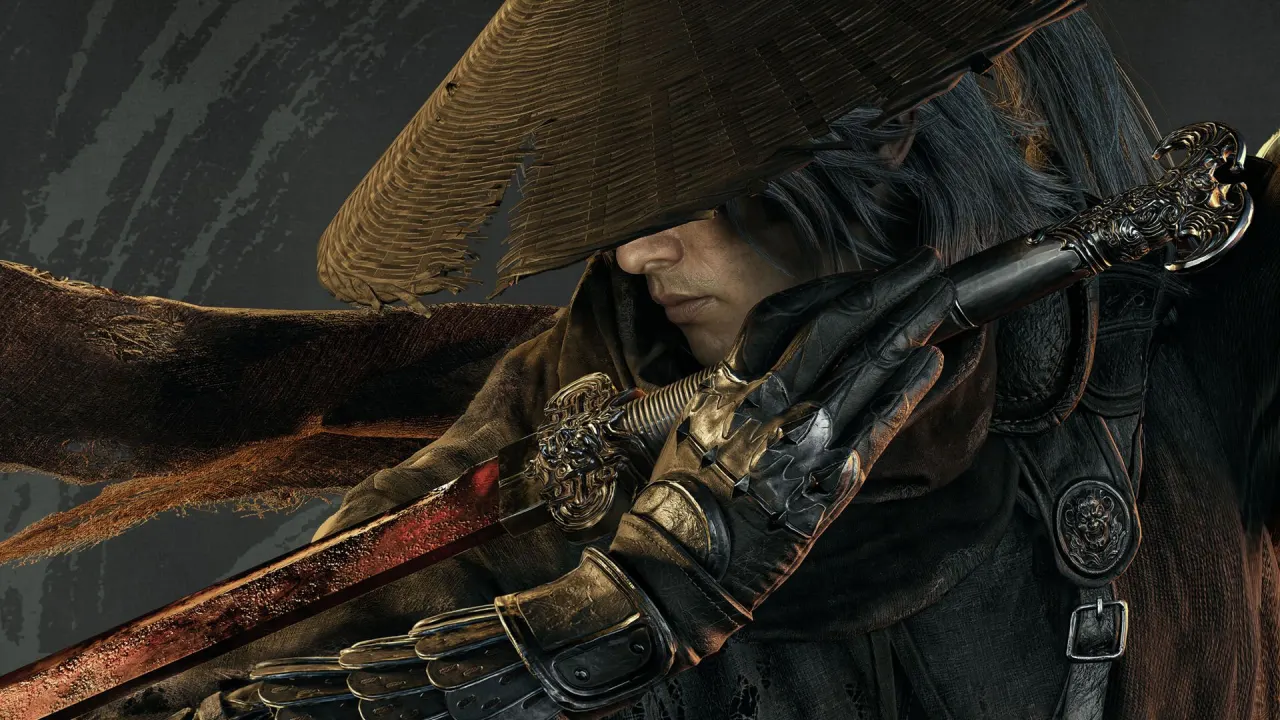
Phantom Blade Zero turns martial arts into a spectacle, prioritising cinematic fights over demanding that players master punishing combat. The review finds this approach refreshing amid challenging action games, though it sometimes goes too far and leaves the experience short of its potential.
The game follows Soul, a swordmaster with an artificial heart and 66 days to find a way to survive. Set in a world blending Chinese fantasy and steampunk, its story introduces unfamiliar terms with little explanation, expecting players to piece together the setting through dialogue, notes and flashbacks. The worldbuilding proves more compelling than Soul, whose revenge and redemption story does little to deepen his character.
In short
- Phantom Blade Zero favours martial arts spectacle over demanding combat.
- Soul has 66 days to find a way to survive.
- Its worldbuilding stands out more than its central character.
Steelman: both sides, in good faith
The strongest fair case each way — we don't pick a winner.
The case for
Prioritising cinematic martial arts spectacle over punishing difficulty makes the game more welcoming and lets players enjoy the choreography without first mastering demanding combat systems. Its vivid world and layered storytelling also invite players to piece together the setting at their own pace, offering a refreshing alternative to action games built around repeated struggle.
The case against
A martial arts game should give players room to develop skill and feel that their victories are earned; easing the challenge too far can make its spectacular fights feel less involving. The game’s opaque worldbuilding and underdeveloped protagonist also leave its striking presentation short of its potential, weakening the emotional and narrative payoff.
Explained simply
Phantom Blade Zero is an action game built around sword fights and a story set in a fantasy world inspired by Chinese martial arts and steampunk technology. Its central character, Soul, is a swordmaster with an artificial heart and only 66 days to find a way to survive.
The game places cinematic, fast-moving fights at the centre of the experience, rather than making players spend a long time mastering highly punishing combat. Its world and history emerge through conversations, written notes and flashbacks, so players are expected to work out unfamiliar parts of the setting as they go.
The game sits within a wider wave of action titles known for demanding combat, but takes a more accessible approach to fights. That choice shapes how players experience both its martial arts spectacle and its story of revenge and redemption.
Art Culture Entertainment Film