Conservative wave hits roadblock in Brazil as Lula holds off Bolsonaro challenge
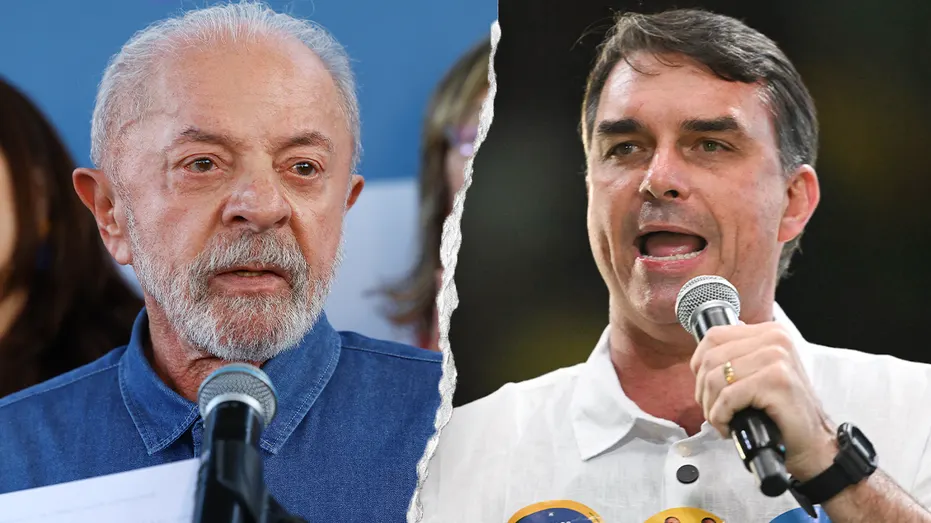
Luiz Inácio Lula da Silva narrowly defeated Flavio Bolsonaro in Brazil’s presidential runoff, securing an unprecedented fourth term and a striking comeback. The result checked the conservative movement’s bid to take the presidency, despite Bolsonaro’s strong first-round showing and a conservative-leaning Congress.
Lula won after voting hours were extended nationwide by two hours at his request, citing problems with buses taking voters to polling stations; the decision may face a legal challenge from Bolsonaro’s camp. Bolsonaro had led the first round on 4 October with 47% to Lula’s 45%, but fell short of an outright majority. In the runoff, Bolsonaro made gains in southern strongholds, but Lula’s wide support in the North and Northeast, along with a near tie in bellwether Minas Gerais, proved decisive.
In short
- Lula wins a fourth presidential term.
- Bolsonaro’s first-round lead did not hold.
- Lula’s strength in the North and Northeast proved decisive.
Steelman: both sides, in good faith
The strongest fair case each way — we don't pick a winner.
The case for
Lula’s supporters can argue that extending polling hours addressed transport problems that might otherwise have prevented eligible voters from casting ballots, helping protect broad participation. They may also see his victory as a legitimate result of a close runoff in which regional support across Brazil outweighed Bolsonaro’s gains in the south.
The case against
Bolsonaro’s supporters can argue that extending voting hours nationwide at Lula’s request, after voting had begun, risked changing the conditions of a close contest and warrants legal scrutiny to protect confidence in election rules. They may also point to Bolsonaro’s first-round lead and strong showing in the south as evidence of substantial support for the conservative challenge.
Americas Elections Geopolitics Government Politics World