What do we still need to know about the Tyne nurdle spill?
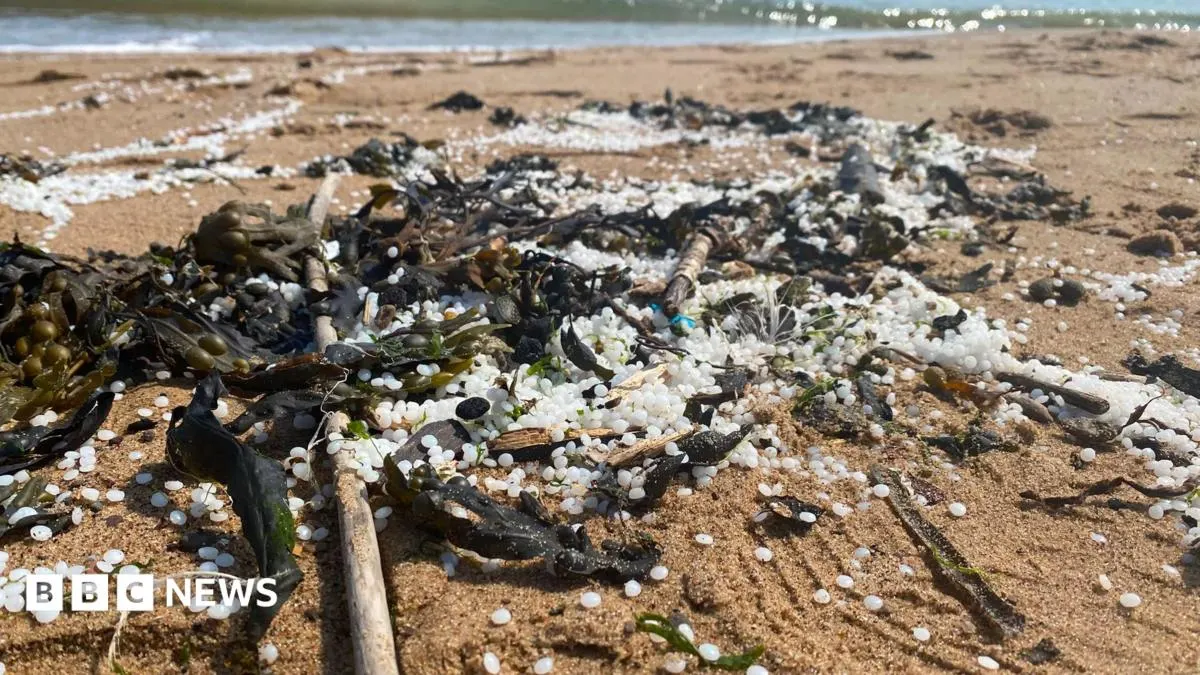
About 18 tonnes of plastic nurdles spilled into the River Tyne on 19 July when two ships collided at the Port of Tyne, in what is believed to be Europe’s worst recorded incident of its kind. The pellets have since washed up along the north-east coast and as far as Denmark, prompting months of volunteer clean-up work and concerns about effects on wildlife.
By the end of September, scientists estimated that about 28% of the roughly one billion pellets had been recovered, while the Port of Tyne and public bodies said a full recovery was not achievable. Newcastle University modelling suggests about one in eight pellets may remain in the Tyne estuary and could be carried downstream by high autumn flows. Researchers are still investigating how far the pellets may travel, when they could break down into nanoplastics and what their long-term effects may be; police and the Marine Accident Investigation Branch are investigating the collision.
In short
- About 18 tonnes of nurdles spilled into the Tyne after a ship collision.
- Roughly 28% had been recovered by the end of September.
- Researchers are still assessing the pellets’ spread and wildlife impact.
Explained simply
Nurdles are tiny plastic pellets used as the raw material for making many everyday plastic products. A collision between two ships at the Port of Tyne released a large quantity into the river, and the pellets have since been found along parts of the coast.
The spill has involved the Port of Tyne, public bodies, researchers and volunteers working to recover pellets and understand their effects. Scientists are studying where the pellets may travel, how they may break down and what this could mean for wildlife; investigators are also examining how the collision happened.