World news and discussion on TalkFuse.
Trump’s fingerprints seen on Latin America’s rightward shift as Brazil becomes next test
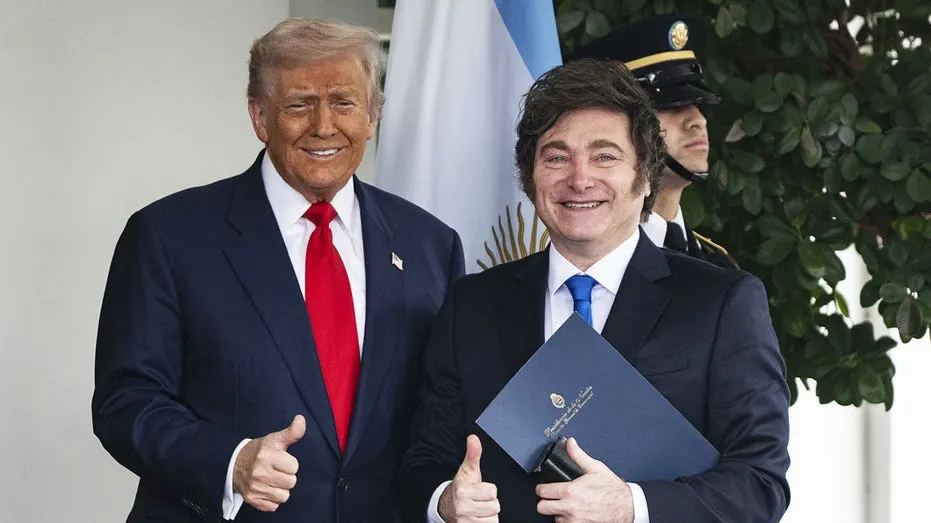
Several Latin American countries have elected or embraced right-leaning leaders, a trend one Trump supporter and a regional analyst say has been strengthened by Donald Trump’s influence. Brazil’s election, however, showed the shift is uneven: left-wing incumbent Luiz Inácio Lula da Silva defeated conservative Flávio Bolsonaro, making the country a test of how far the region’s political realignment extends.
Lula won 51.8% of the vote to Bolsonaro’s 48.2%, securing a fourth, non-consecutive term. Argentina’s Javier Milei and El Salvador’s Nayib Bukele are cited as prominent right-leaning figures, while Mexico and Uruguay remain under left-wing leadership. The article also describes the US capture of Venezuela’s Nicolás Maduro as a demonstration of Washington’s influence, and notes debate over China’s role in the region.
In short
- Lula won Brazil’s presidential runoff with 51.8% of the vote.
- The result checked a broader but uneven rightward shift.
- Trump’s regional influence is linked to elections and US policy.
Steelman: both sides, in good faith
The strongest fair case each way — we don't pick a winner.
The case for
Supporters of the rightward shift may argue that voters are seeking alternatives to left-wing governments they see as having failed to deliver security, economic stability or effective public services. They may view Trump’s influence and Washington’s assertiveness as strengthening leaders who promise decisive action, while emphasising that Brazil’s close result shows the trend is real but not uniform.
The case against
Critics may argue that attributing the region’s political changes to Trump gives too much weight to US influence and too little to local conditions, including dissatisfaction with incumbent governments and country-specific concerns. They may also see Washington’s intervention in Venezuela as a troubling exercise of power, and point to Lula’s victory and continuing left-wing governments as evidence that Latin America’s politics remain diverse rather than moving steadily right.
Explained simply
Latin America includes countries with different political histories and priorities, so elections do not always move in the same direction. In recent years, voters in some countries have chosen leaders on the right, including Argentina’s Javier Milei and El Salvador’s Nayib Bukele, while Mexico and Uruguay have remained under left-wing governments.
Donald Trump’s influence is part of the debate about this change, alongside local issues and the roles of the United States and China in the region. Brazil is a major country in Latin America, and its political direction matters to its neighbours and to international relations.