World news and discussion on TalkFuse.
Lula’s Election Win: How Taylor’s Swift’s Advice to Fandom Helped Him to a Historic Victory and Defeat for Trump
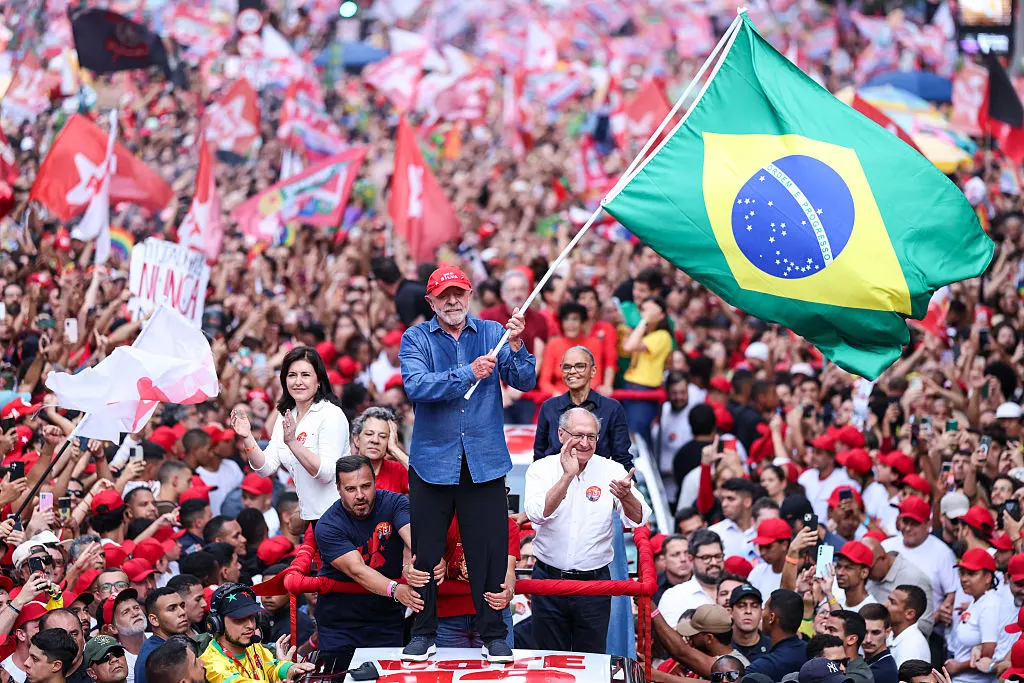
Lula won Brazil’s presidential run-off against far-right candidate Flávio Bolsonaro, securing a fourth term in a historic reversal after finishing second in the first round. His victory is presented as significant for Brazil’s democracy, environment, health services and film industry, and as a setback for US President Donald Trump, who supported Bolsonaro.
Lula received 51.79% of the vote to Bolsonaro’s 48.21%, according to the electoral authority. Online support from fan accounts for artists including Taylor Swift, Billie Eilish and Lady Gaga helped reach younger voters; more than 600 Brazilian fan groups backed Lula. The campaign also played out amid allegations that Instagram limited the reach of some Workers’ Party content, which Meta attributed in part to technical errors.
In short
- Lula won a fourth term with 51.79% of the vote.
- Celebrity fan groups helped amplify his campaign online.
- The result matters for Brazil’s environment, services and film funding.
Steelman: both sides, in good faith
The strongest fair case each way — we don't pick a winner.
The case for
Lula’s win can be seen as a democratic choice to restore a government associated with stronger public services, environmental protection and support for Brazil’s cultural industries. Fan groups’ online campaigning may have helped younger voters engage and participate, while the result marked a clear rejection of Bolsonaro’s programme and Trump’s backing of him.
The case against
Supporters of Bolsonaro could argue that nearly half the electorate preferred his leadership and policies, so the result reflects a deeply divided country rather than an unambiguous mandate for Lula. They might also question the role of celebrity fan networks in political campaigning and call for transparent scrutiny of claims that social media platforms unevenly limited campaign content.
Explained simply
Brazil elects its president in a two-round vote when no candidate wins a majority in the first round. Luiz Inácio Lula da Silva, commonly known as Lula, leads the left-wing Workers’ Party and has served as president before; Flávio Bolsonaro is a senator and the son of former president Jair Bolsonaro, whose movement is associated with the political right.
The contest reflected disagreements over Brazil’s direction, including public services, environmental policy and the role of the state. Campaigns also sought to engage younger voters online, where fan groups for musicians shared political messages; questions about how social media platforms distribute campaign content formed part of the debate.
Americas Elections Entertainment Film Government Politics World