Who is Lula? From ex-worker and prisoner to Brazil’s president again
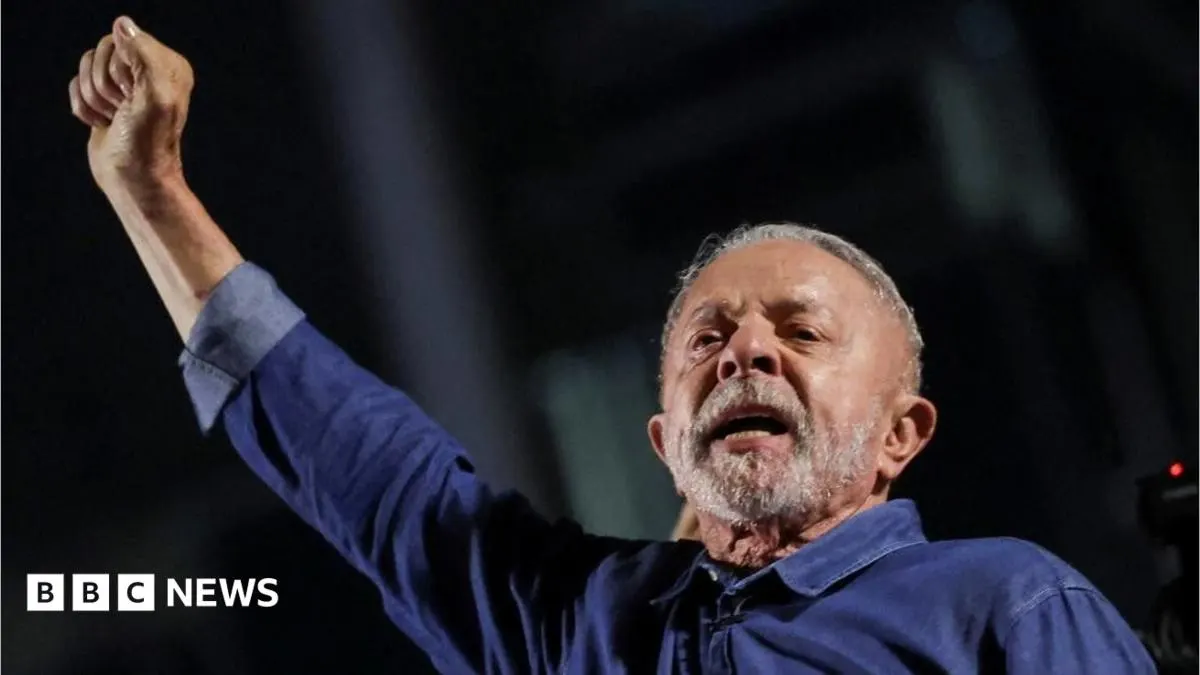
Luiz Inácio Lula da Silva has won Brazil’s presidency again, completing a dramatic political comeback after a first-round setback. His return matters in a sharply divided country and bucks a regional trend of victories by right-wing leaders; uniting Brazil will be a major challenge.
Born into poverty, Lula worked as a child before becoming a metalworker and influential trade union leader, then helped found the Workers’ Party in 1980. As president from 2003 to 2010, he expanded social programmes, including Bolsa Família, which helped about 44 million people, and left office with high approval ratings. His later career was derailed by corruption convictions and imprisonment, though the article notes the wider political turmoil surrounding the Operation Car Wash investigation.
In short
- Lula has won Brazil’s presidency again after a dramatic comeback.
- His earlier governments expanded aid to about 44 million people.
- He returns amid division and a legacy shadowed by corruption cases.
Steelman: both sides, in good faith
The strongest fair case each way — we don't pick a winner.
The case for
Supporters can argue that Lula’s return reflects voters’ confidence in a leader whose earlier governments reduced poverty and widened access to social support. His rise from a poor background and his union work give him a connection to people who felt excluded from power, while his victory offers a chance to bring a divided country together.
The case against
Critics can argue that Lula’s corruption convictions and imprisonment damaged trust in his leadership and raise concerns about the standards expected of public officials. They may also question whether the social gains of his earlier presidency can be sustained, and whether his return will ease political divisions in a country where many voters backed a different direction.
Americas Government Politics World