Five ways Trump has changed immigration in the US
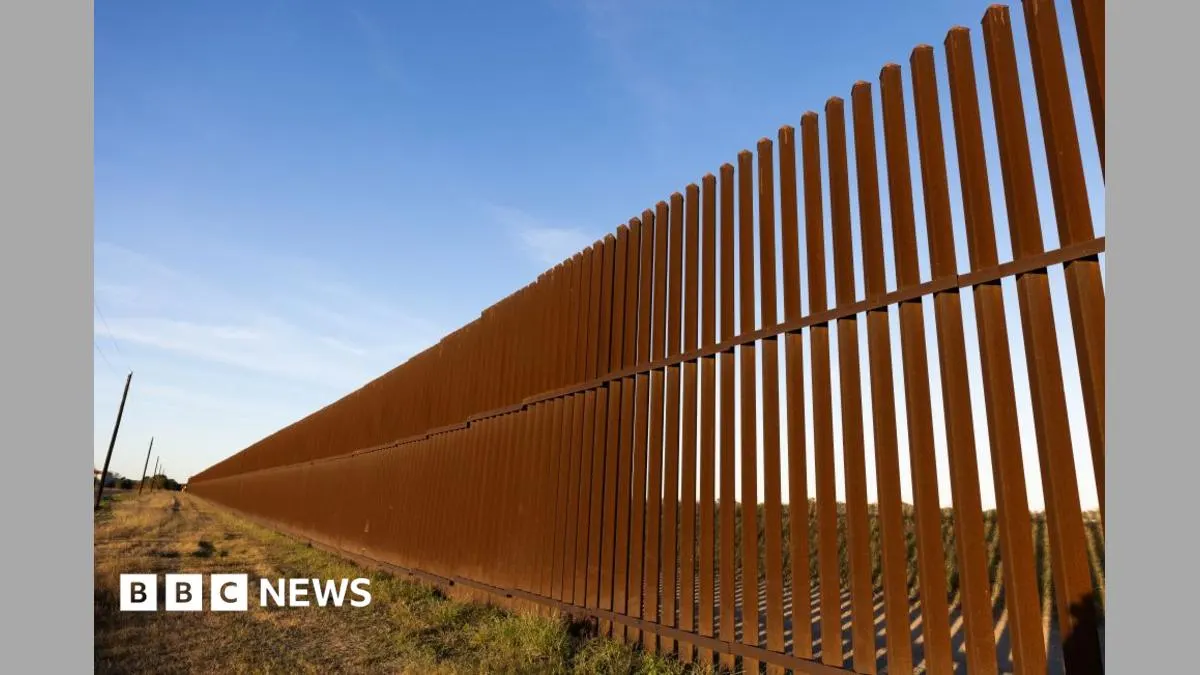
Donald Trump’s second-term immigration agenda has sharply reduced migrant encounters at the US-Mexico border and accelerated construction of border barriers. The changes matter as immigration remains a major issue ahead of the midterm elections, while some voters who support tougher enforcement worry the crackdown has gone too far.
The article says encounters fell after the administration restricted asylum claims, ended the release of detainees into the US, deployed troops and pressured Mexico to curb northbound migration. A spending bill provided $46.5bn for border security; since Trump returned to office, 250 miles of barriers have been completed and 1,443 miles are under construction. Experts caution that the wall’s effect on crossings is unclear, and point instead to policy changes and enforcement messaging as key reasons for the decline.
In short
- Border encounters have dropped sharply under Trump.
- A $46.5bn fund is accelerating barrier construction.
- Experts question whether the wall itself reduces crossings.
Steelman: both sides, in good faith
The strongest fair case each way — we don't pick a winner.
The case for
Supporters argue that tighter asylum rules, detention, cooperation with Mexico and stronger border barriers have restored control over migration and reduced encounters at the border. They see enforcement as a legitimate way to uphold immigration law, deter dangerous journeys and reassure the public that the system is functioning.
The case against
Critics argue that sharply restricting asylum and ending releases can deny protection to people fleeing danger, while heavy enforcement risks imposing serious costs on migrants and affected communities. They also question whether extensive wall spending is justified when experts say its effect on crossings is unclear and policy changes appear to explain much of the decline.
Americas Government Politics World