Donald Trump has been a disaster for rural America | Steven Greenhouse
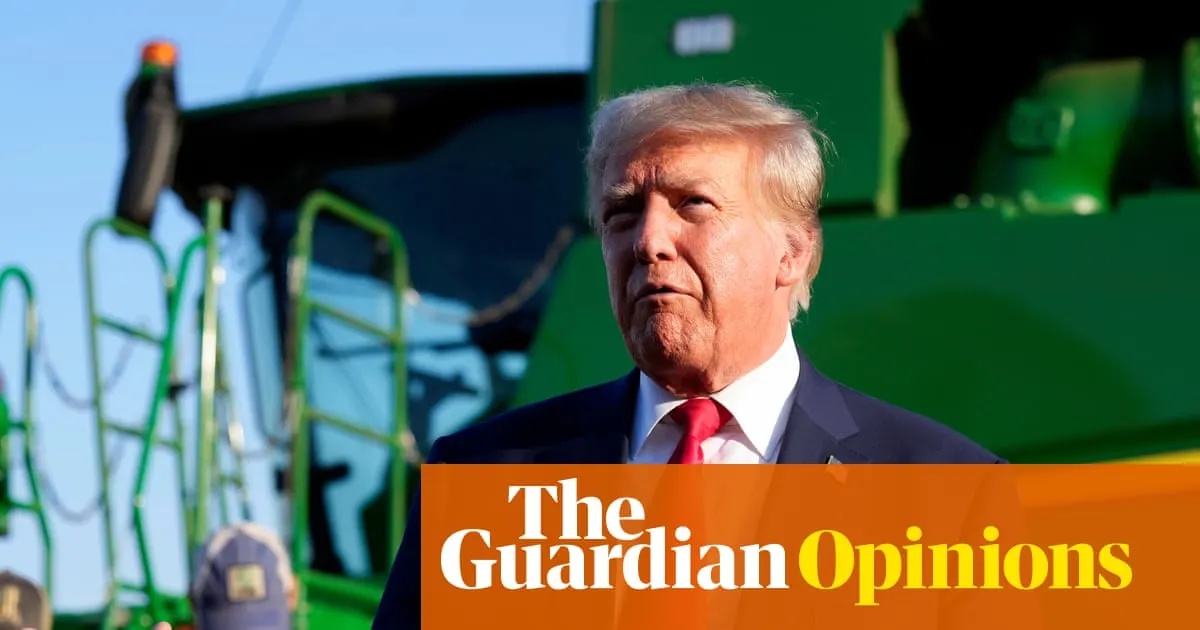
Donald Trump’s policies are putting pressure on farmers and rural communities, contributing to economic hardship and weakening Republican Senate candidates’ prospects in several heavily Republican states. The article argues that higher farming costs, reduced exports and cuts to public services have left some rural voters feeling betrayed by promises Trump made in 2024.
Diesel rose from an average of $3.75 a gallon before the Iran war to a late-September peak of $6.52, while farm bankruptcies have increased by 85% compared with two years ago. The article also cites trade-related export losses, rising fertiliser and equipment costs, and projected Medicaid cuts that could leave 1.8 million rural Americans without health insurance; a poll found 49% of rural voters support Republican candidates this autumn, down from nearly two-thirds backing Trump in 2024.
In short
- Rising costs and trade disputes are hurting farmers.
- Farm bankruptcies are up 85% in two years.
- Rural support for Republican candidates has fallen.
Steelman: both sides, in good faith
The strongest fair case each way — we don't pick a winner.
The case for
Critics argue that Trump’s policies have added to pressures already facing rural communities: higher fuel, fertiliser and equipment costs, weaker export markets and proposed Medicaid cuts threaten farm finances and access to care. They say this falls short of his promises to support rural voters and may help explain declining Republican support in some rural states.
The case against
Defenders argue that rural hardship reflects several forces, including global energy and agricultural markets, rather than presidential policy alone, and that the reported figures do not establish how much Trump’s decisions caused. They may also contend that trade measures and spending changes pursue longer-term goals, such as protecting domestic industries and controlling public costs, even if they impose short-term burdens.
Explained simply
Rural communities in the United States depend heavily on farming and local services, and many have traditionally supported the Republican Party. Farmers’ costs include fuel, fertiliser and machinery, while sales abroad can be affected by trade disputes and tariffs.
Medicaid is a government health insurance programme for people on low incomes and some other groups; it helps fund care in rural areas where hospitals and clinics may already be limited. Changes to public spending and trade policy can therefore affect both farm incomes and access to services, making rural voters’ views important in elections.
Business Geopolitics Government Politics